
KL Show & Tell Recap: Agent Harnesses, Knowledge Graphs, and Local AI
14 Kuala Lumpur AI builders demoed custom agent harnesses, Obsidian knowledge graphs, hybrid search, on-device OCR, and game-inspired 3D UIs.
Fourteen builders took the podium at Malaysian AI’s Weekly Show & Tell in Kuala Lumpur on 29 October 2026. Rather than generic prompt wrappers, most demos focused on the plumbing around models: custom agent harnesses, multi-model routing, context pruning, hybrid retrieval, and local-first software.
Agent Harnesses, Multi-Model Routing, and Context Pruning
Several engineers walked through how they control token spend, quota limits, and reasoning reliability when running agents all day.
Andrew shared custom modifications he made to the Antigravity AI coding harness. Noticing that Gemini API keys worked in the Antigravity CLI but not the desktop GUI, he prompted the agent to patch its own interface. His setup adds direct Gemini API key support, a live tokens-per-second counter, and automated failover across multiple imported Google accounts when quotas expire. Pairing this with a custom ROI analytics dashboard, he tracked roughly 5 billion tokens consumed in a single month across five Google AI Pro accounts on Gemini Flash, using bundled subscription quotas for general work while reserving Claude and Codex for coding.
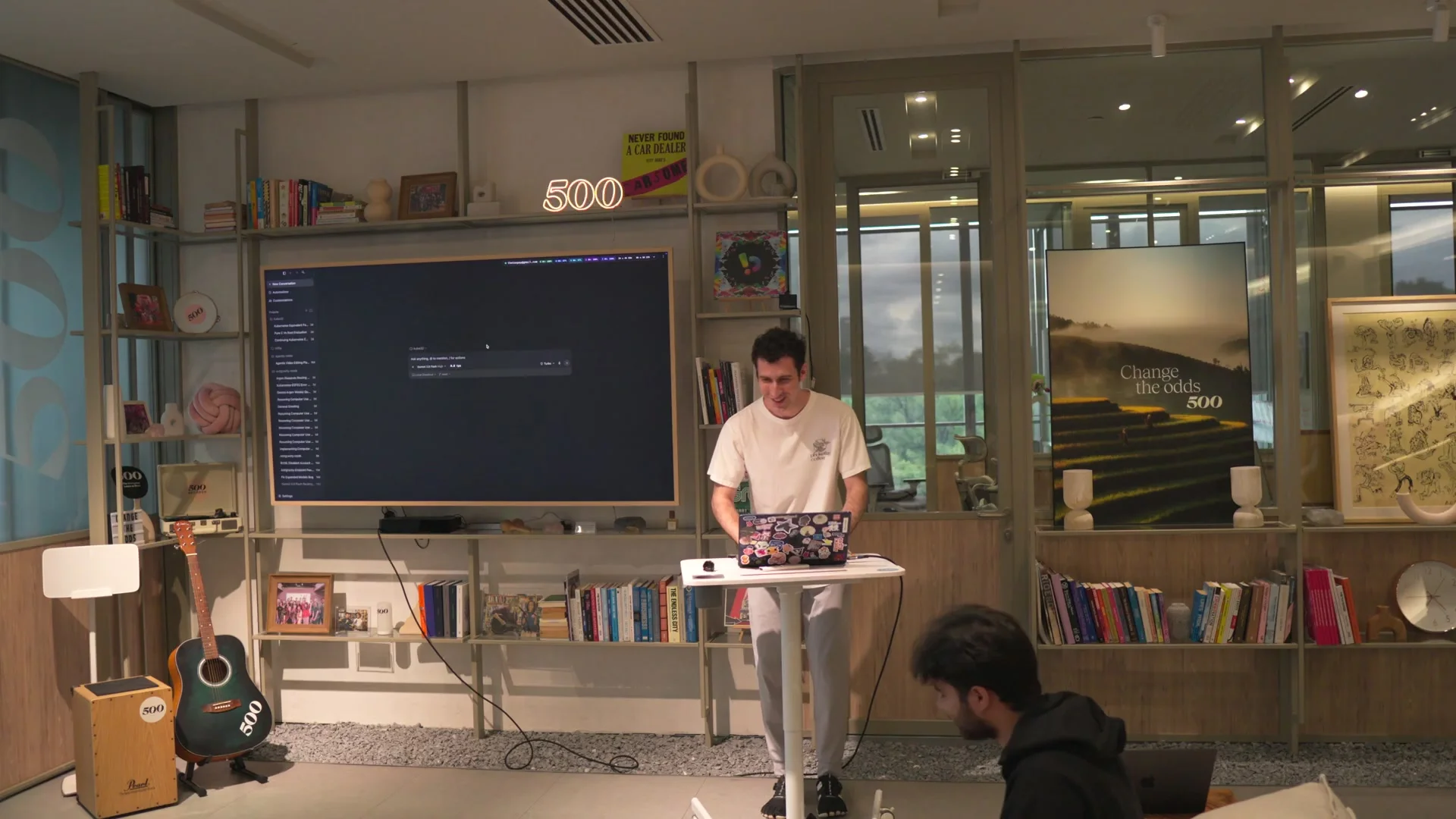
Rasan Chandra broke down the multi-model harness architecture behind Orvaly, a meeting intelligence platform. Instead of relying on one monolithic prompt, Orvaly wraps each LLM call in a dedicated harness with scoped tools and Cloudflare vault memory. Its live execution agent, Astro, monitors transcripts to propose and decompose tasks for user approval. To keep costs down to a few pennies per meeting, lightweight decision models inspect transcripts and screen feeds, escalating to Claude Sonnet or Opus only when complex reasoning is needed. For long sessions (up to eight hours), a five-pass post-meeting synthesis pipeline avoids middle-of-transcript compression loss.
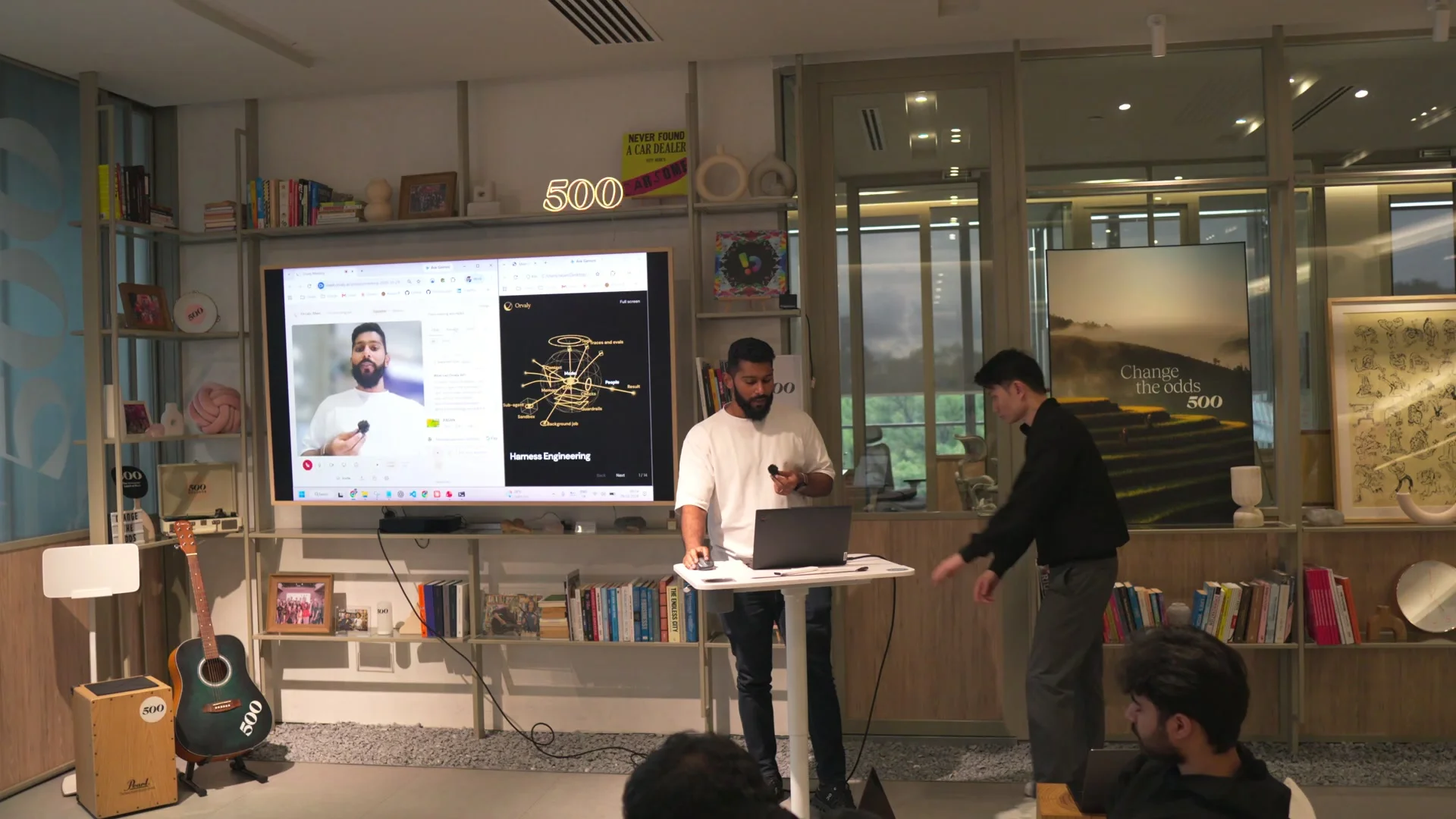
Faris Irfan demonstrated managing full-stack client builds (including a food delivery app, a navigation tool, and the Kolkay beta onboarding platform) directly from his mobile phone via screen mirroring into Claude Code. To protect his $100 Claude budget, he routes critical architecture to Claude Opus and delegates routine scaffolding and simple pages to Codex, Grok, and ChatGPT. For front-end work, he pairs Taste Skill with explicit color palettes and design standards, repurposes Deck Gallery slide layouts for app UI, and applies No AI Slop to clean up generated copy.
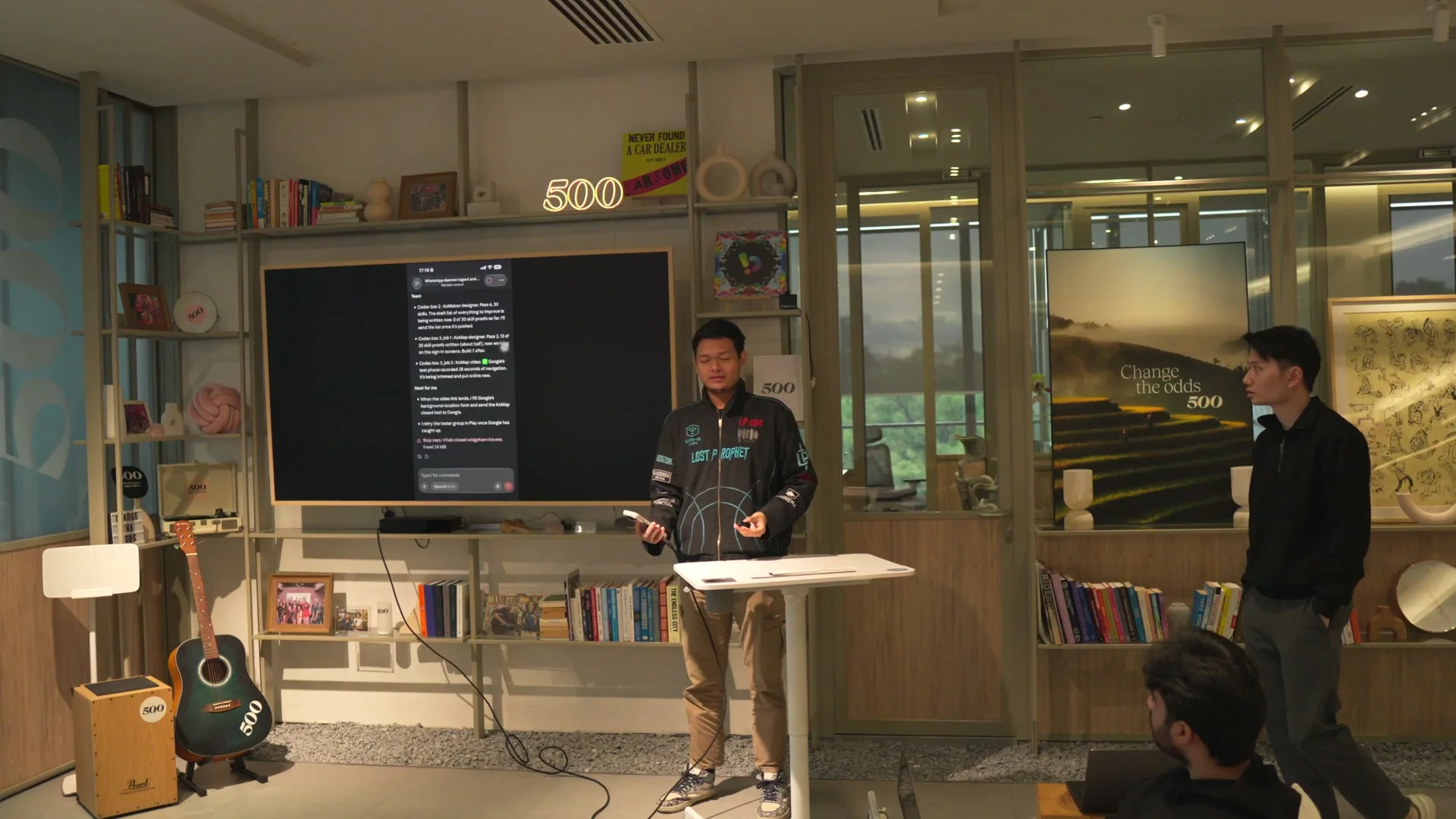
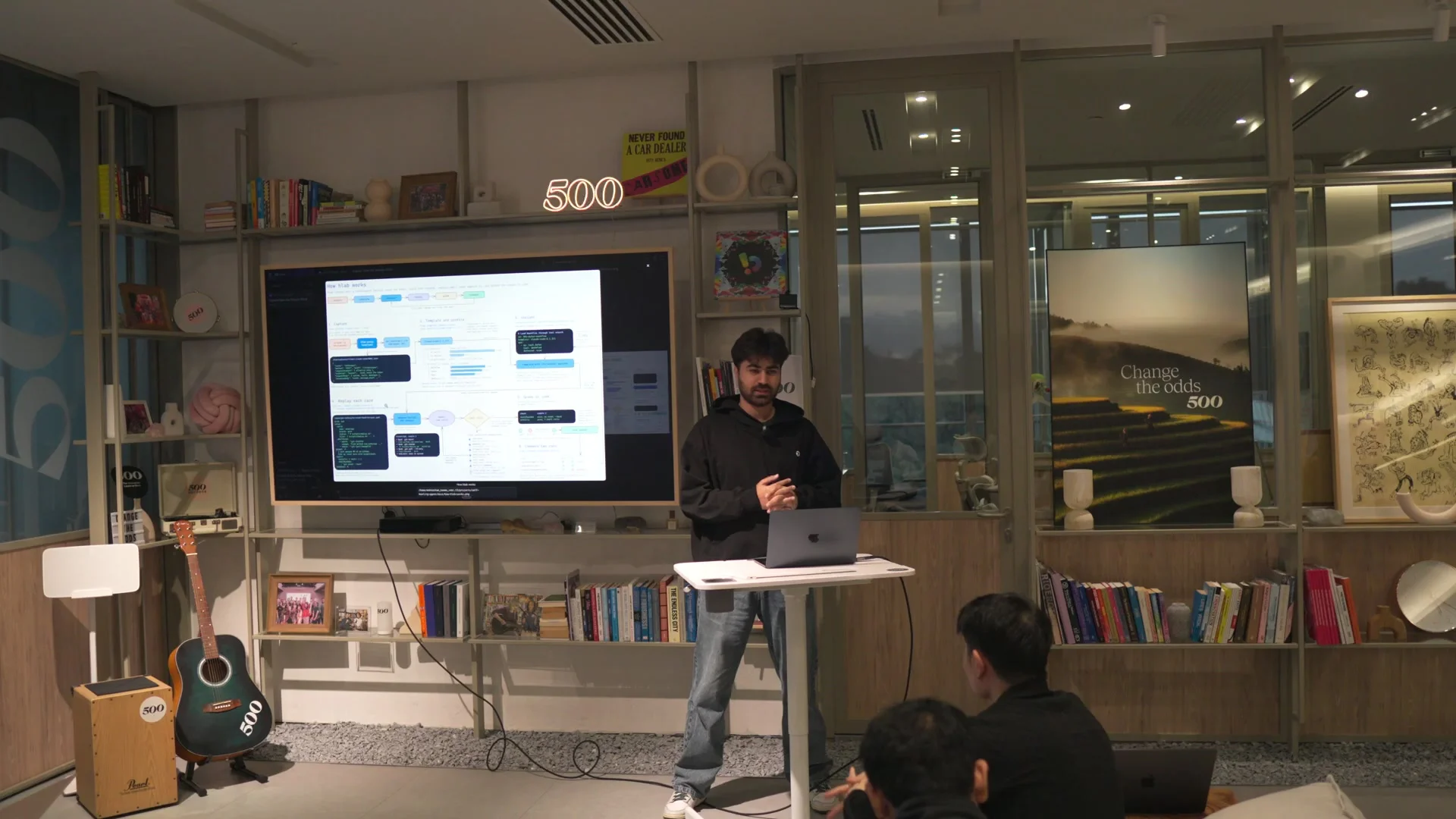
Mohtasham Murshid Madani tackled context bloat and redundant tool calls with Hlab (Harness Lab) and VideoClaw. His framework records individual agent runs into isolated templates, then generates variants inside CI pipelines that systematically prune server context and always-on skills. Optimization only starts after a task reaches 100% baseline accuracy, and if pruning causes accuracy to slip (for example to 90%), instructions are automatically re-injected so compacted variants double as regression tests.
Knowledge Graphs, Sovereign Memory, and Vertical Data Harnesses
A second cluster of talks focused on turning messy personal notes, PDFs, and client spreadsheets into structured context that agents can reliably query.
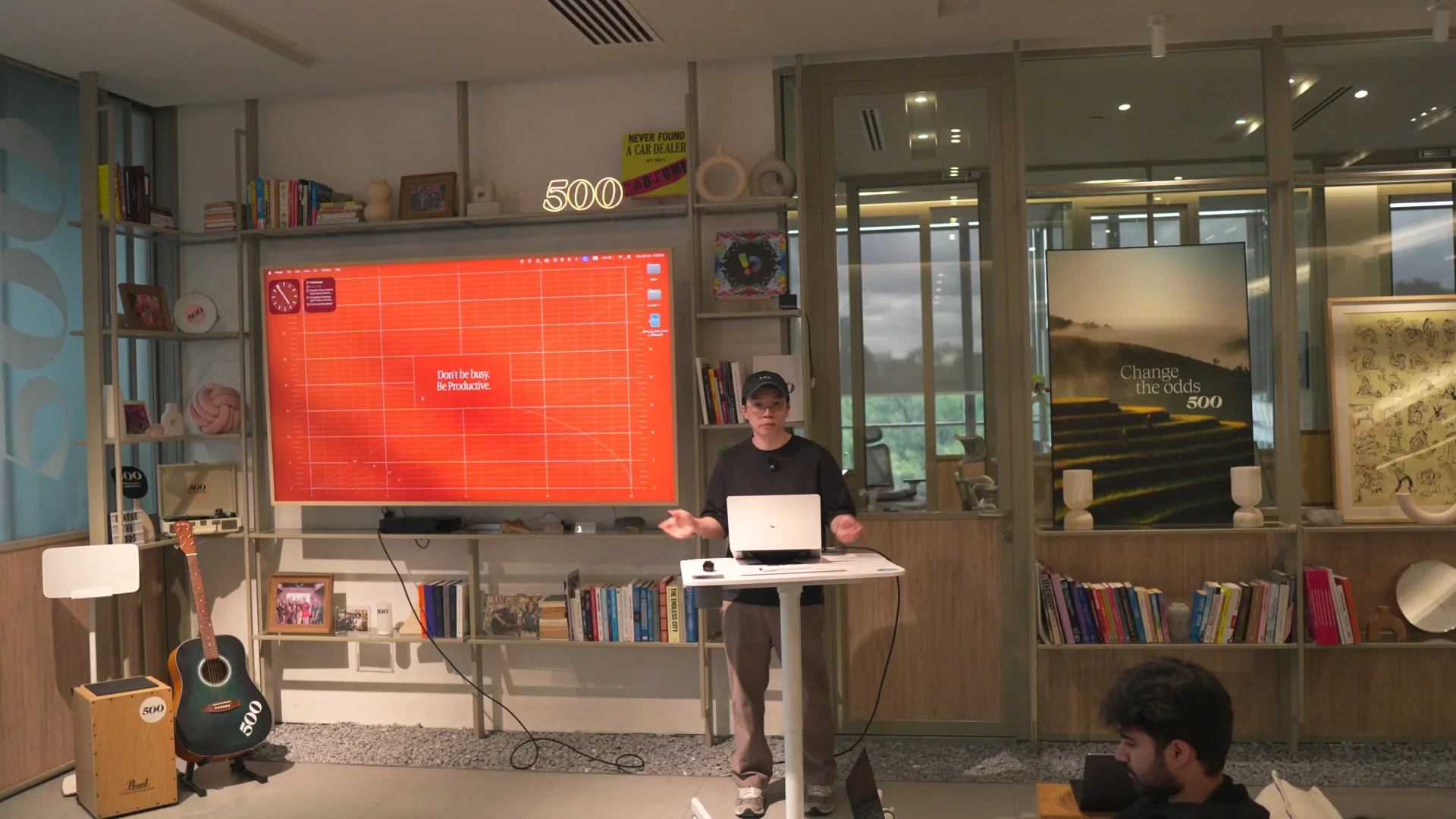
Aaron Liew demoed AIOS, a personal context operating system organized into local folders inside Visual Studio Code and Obsidian, connected to Claude. A local librarian skill ingests PDFs (demonstrated with ‘Zero to One’) by extracting text and embedded diagrams directly into markdown. Rather than summarizing by raw page count, he calibrates extraction by factual density: roughly 5 atomic ideas for short books and 20 to 40 atoms for 500 to 1,000-page volumes, then links overlapping concepts across authors into molecular knowledge graphs.
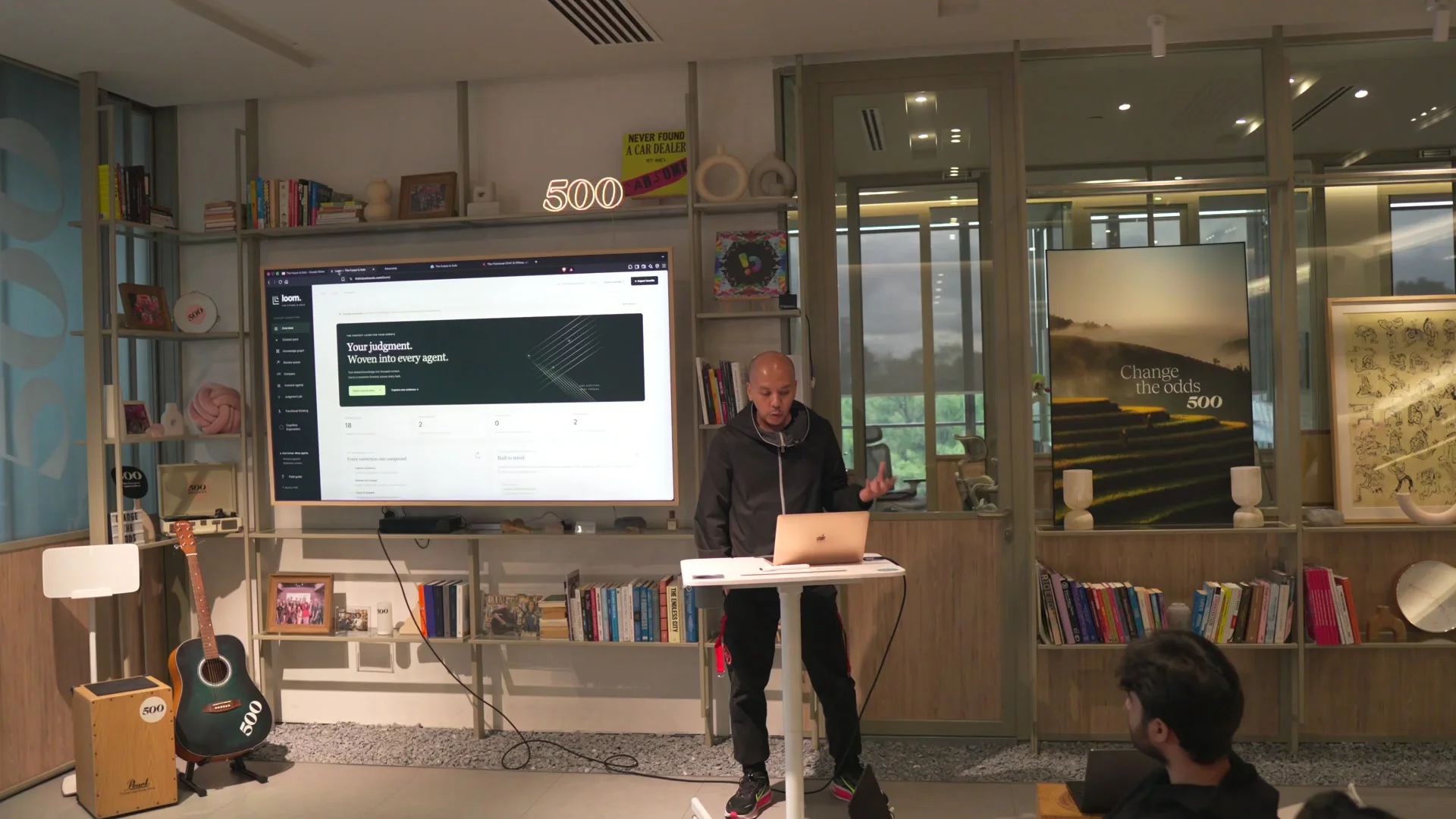
Khalil Nooh presented his solo operator stack under The Future is Solo, featuring Loom (a sovereign memory layer designed to turn human judgment into active agent memory) and the Sozo MVP built with AI-generated code. During his daily one-hour highway commute, he uses voice calls with bots like Grok bot and Dot to direct multi-repo tasks. While he still runs Obsidian locally on Hermes on a Mac mini, he uses Basecamp’s 1 GB free tier as a cloud markdown vault and studied its Model Context Protocol (MCP) server while building one for Loom, noting that redundant MCP tool calls for simple intents remain an optimization hurdle.
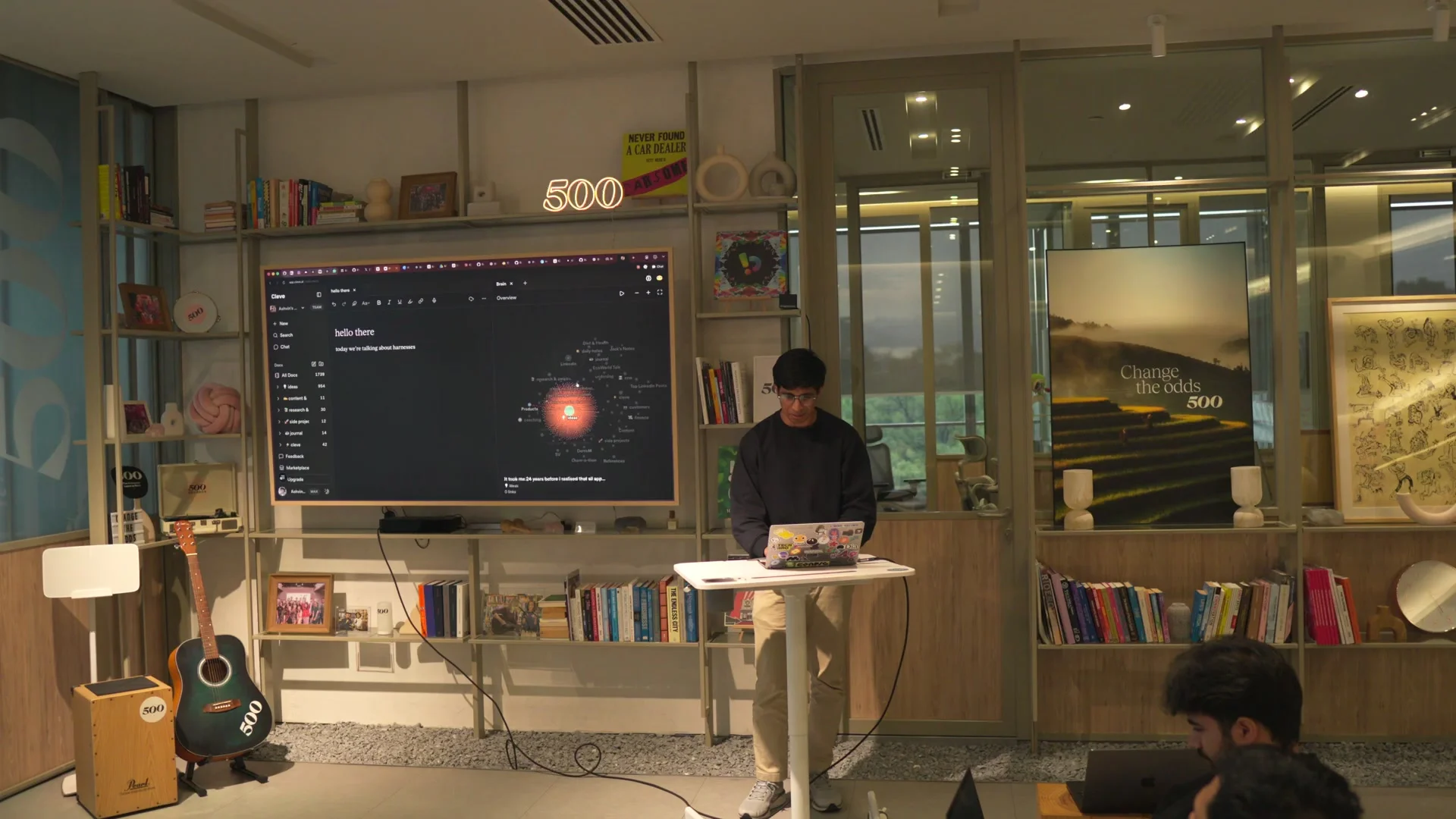
Ashvin Praveen walked through Cleve, a cloud knowledge base and visual ‘Brain’ graph currently indexing about 1,700 of his own notes. When importing a 21,000-file codebase folder, Cleve automatically filters down to supported documentation formats (Markdown, HTML, Word, and PDF), pulling in 17 relevant files while preserving Obsidian backlinks. Under the hood, Cleve runs hybrid retrieval combining semantic vector search, grep keyword search, and graph traversal, followed by reranking with models like Cohere before passing context to parallel chat sessions.
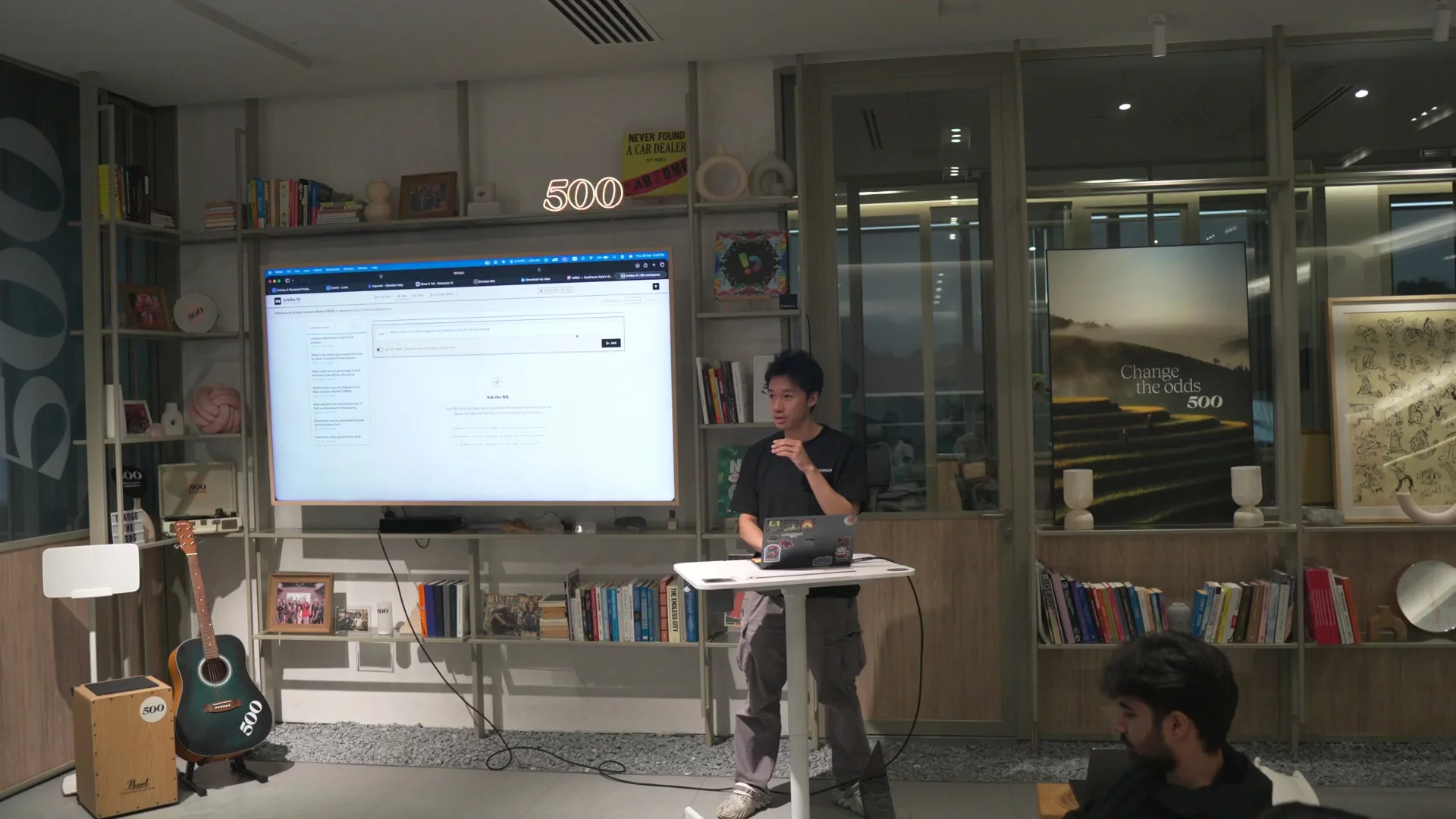
Brendan Beh presented a specialized AI data harness for property development and construction cost estimation. Because client Excel bills of quantities arrive in messy formats, most engineering effort went into an automated AI cleaning pipeline. Once standardized into a vertical ontology, granular tagging paired with grep outperformed generic vector embeddings. To prevent math hallucinations on totals like RM 515,865.00 and RM 641,865.00, the agent runs deterministic arithmetic checks inside a code scratchpad, rejecting outputs that fail line-item reconciliation. Domain fine-tuning pushed benchmark accuracy to 100% on live industry ground truth, leaving upstream pre-tagging as the primary bottleneck.
Applied Products: Logistics, Privacy-First Mobile, and Accessible Planning
Three builders showed how AI tools are helping domain specialists and founders ship practical vertical apps.
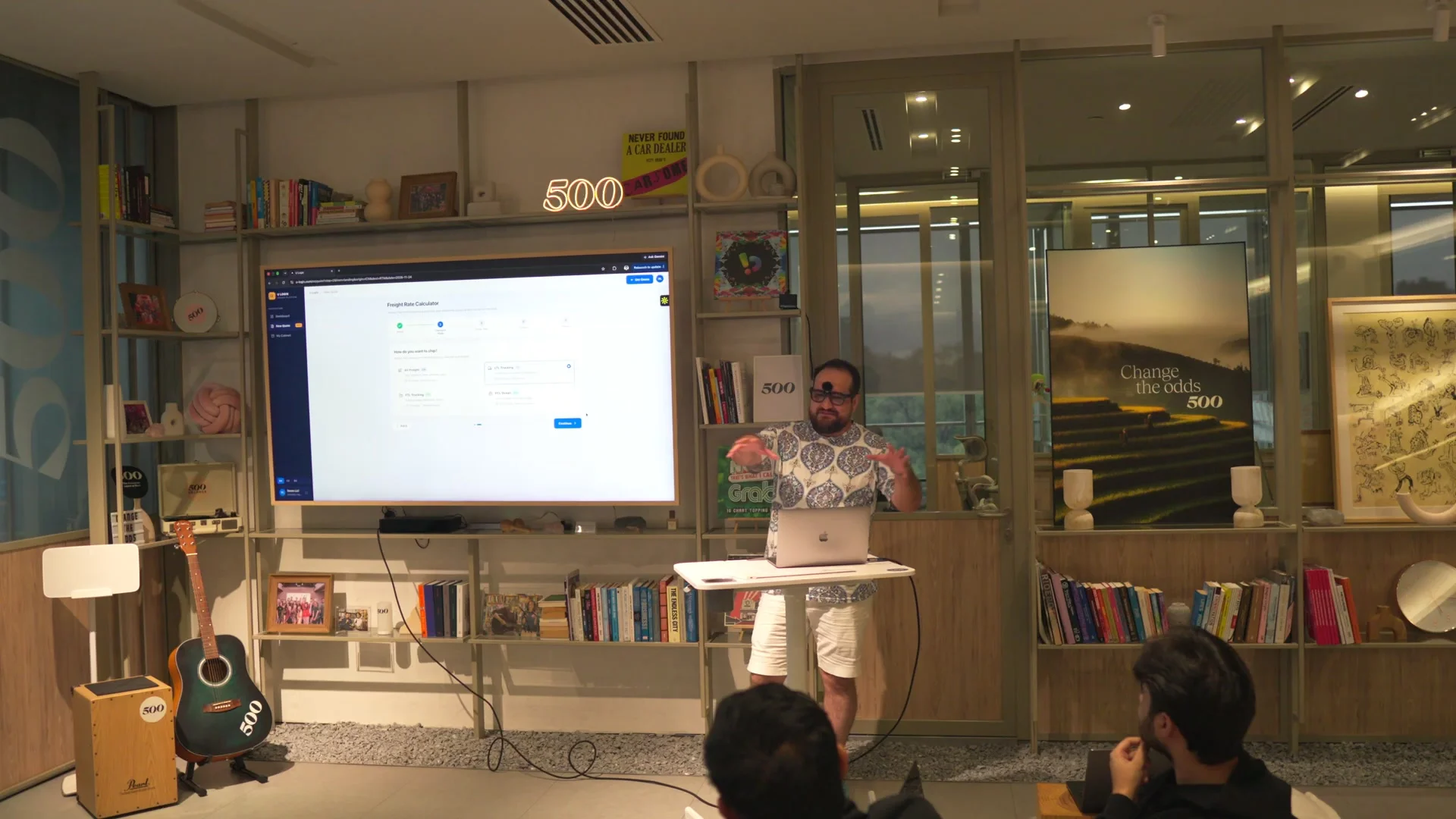
Timur Chutbaev drew on 20 years in logistics without a formal engineering background to build E-Logistics (ULogix), a freight rate calculator and marketplace connecting SME shippers with logistics providers. Built with Claude Code alongside an internal ops assistant named Herma, the project also surfaced a real hardware lesson: running continuous local cron jobs and OpenClaw scripts wore down a Mac mini’s memory. Because the app lived inside Claude Code’s workspace, he also used that shared context with Higgsfield and ElevenLabs to generate a product explainer video.
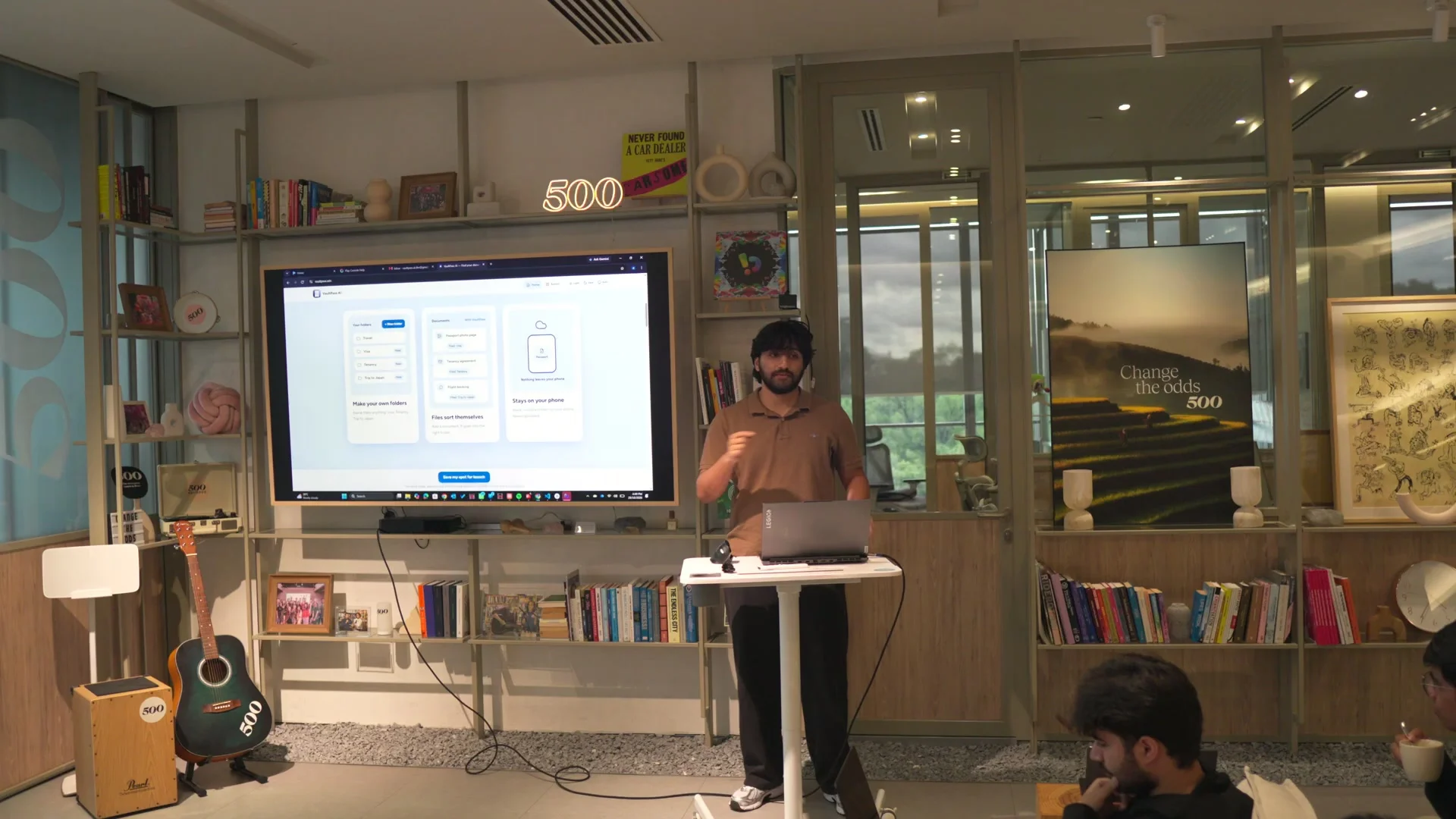
Rayhan Rizwan presented VaultPass AI, a local-only mobile document sorter designed to file incoming scans and WhatsApp documents without uploading private files to central servers. The on-device pipeline pairs OCR with a trimmed Hugging Face embedding model and application-layer routing rules, restricting developer telemetry to high-level folder and document counts. He also shared his waitlist landing page (‘Stop scrolling. Start finding.’) for pre-launch demand validation, though Android emulator click responsiveness cut the live interaction short.
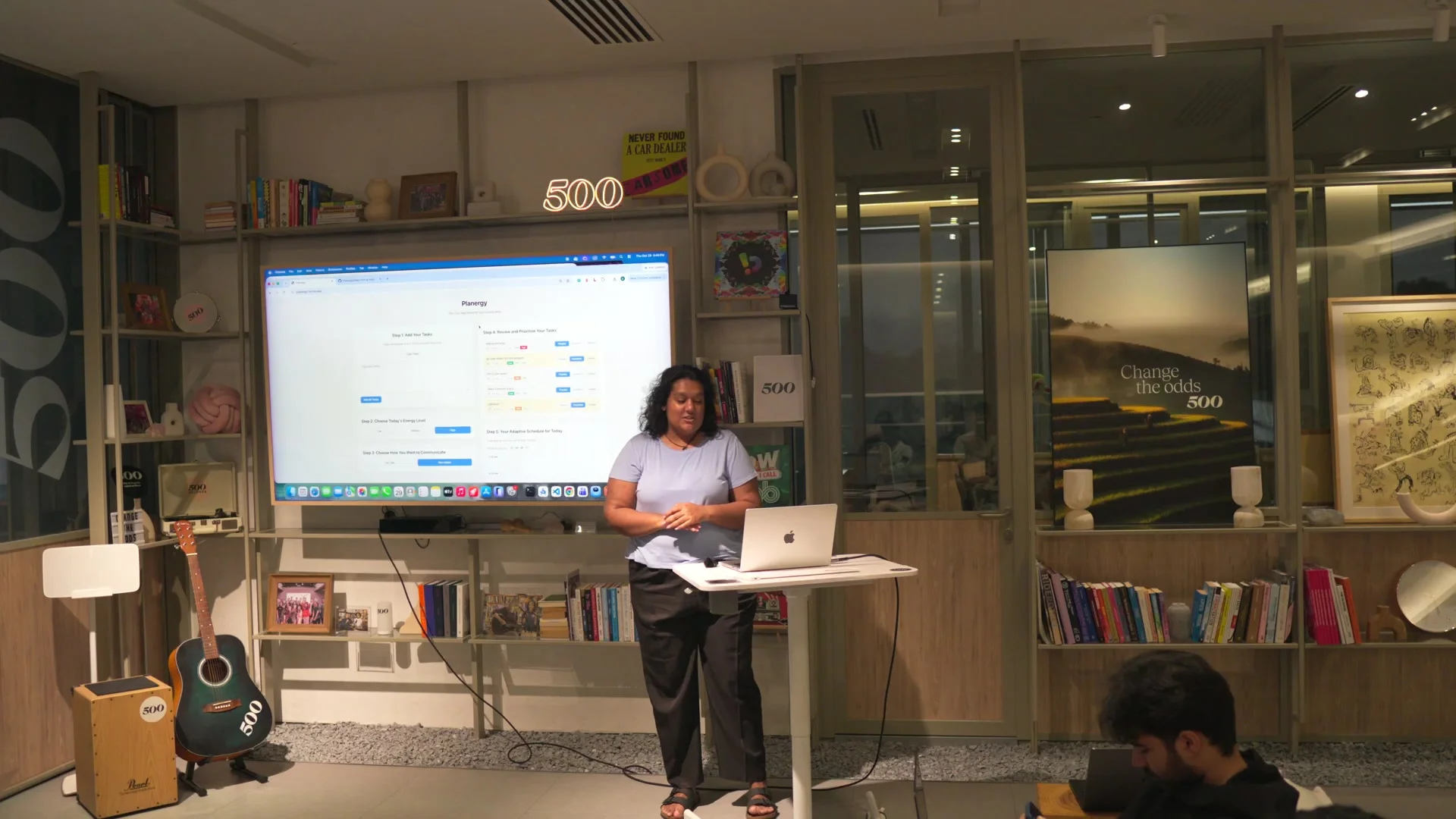
Amara demonstrated Planergy, an energy-based daily planner built for neurodivergent users, people with ADHD, and those managing chronic pain or task paralysis. Her original hackathon prototype triggered an AI call on every task addition, which added friction and produced inaccurate duration estimates. She replaced that with lightweight keyword heuristics (tagging words like ‘message’ or ‘pay’ as low energy and ‘build’ or ‘code’ as high energy) alongside manual user overrides, and shared an early native mobile port while exploring AI-driven sub-task breakdown for out-of-dictionary inputs.
Interfaces, Desktop Utilities, and Generative Storytelling
The remaining demos pushed beyond standard web layouts into 3D hardware pages, macOS utilities, and narrative video.
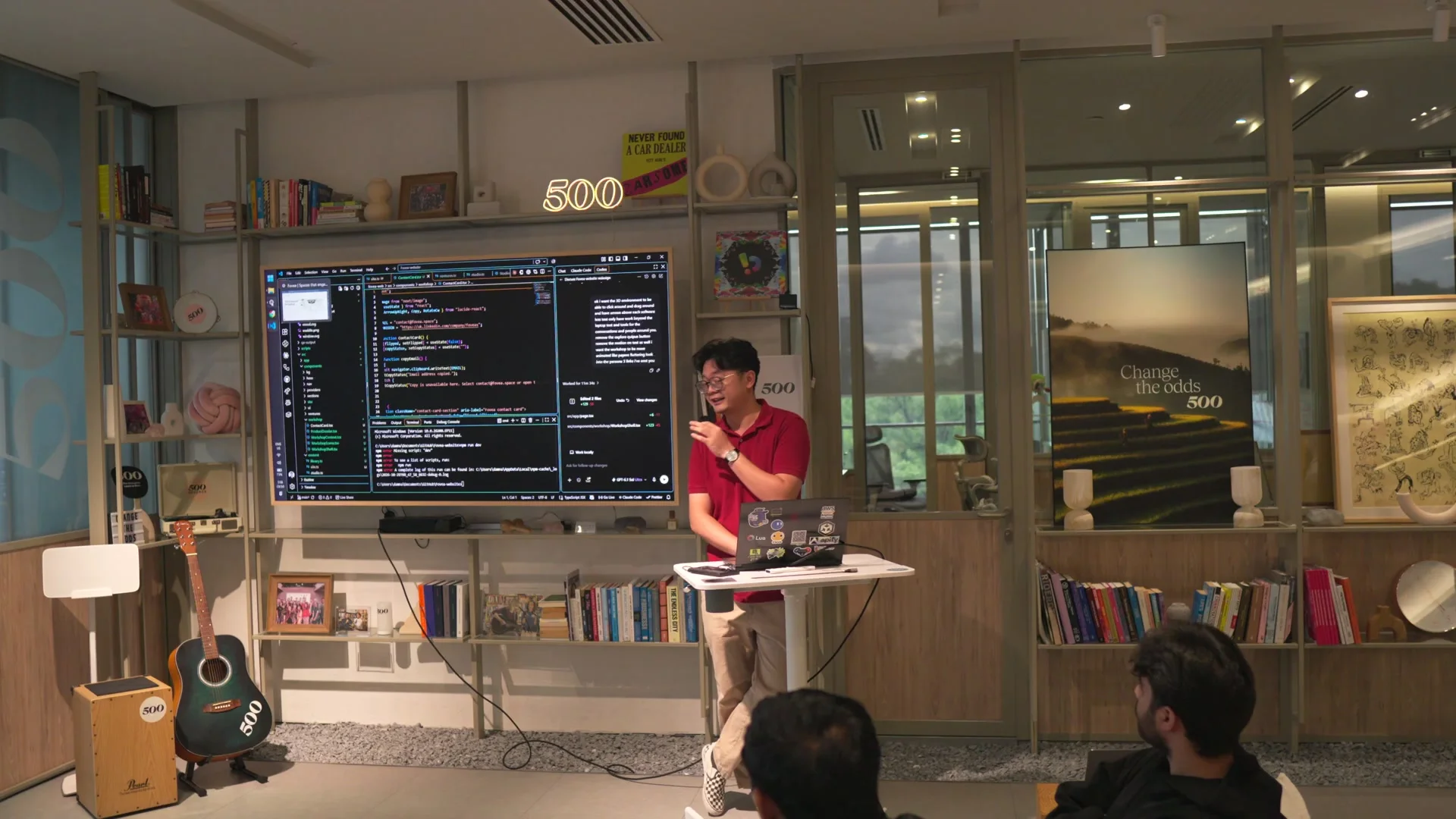
Nathan Hor introduced game-ui-frontend, an open-source AI agent skill and component library for ChatGPT and OpenAI Codex curated from over 44 video games, including Mirror’s Edge Catalyst, NieR:Automata, Persona, and Dragon Ball FighterZ. Moving away from Mobbin and CodePen, he demoed interactive 3D wireframe hardware pages where visitors can rotate and zoom into products. During Q&A, attendees suggested serving individual components over cURL to avoid repo bloat and using Playwright to capture unindexed game UIs.
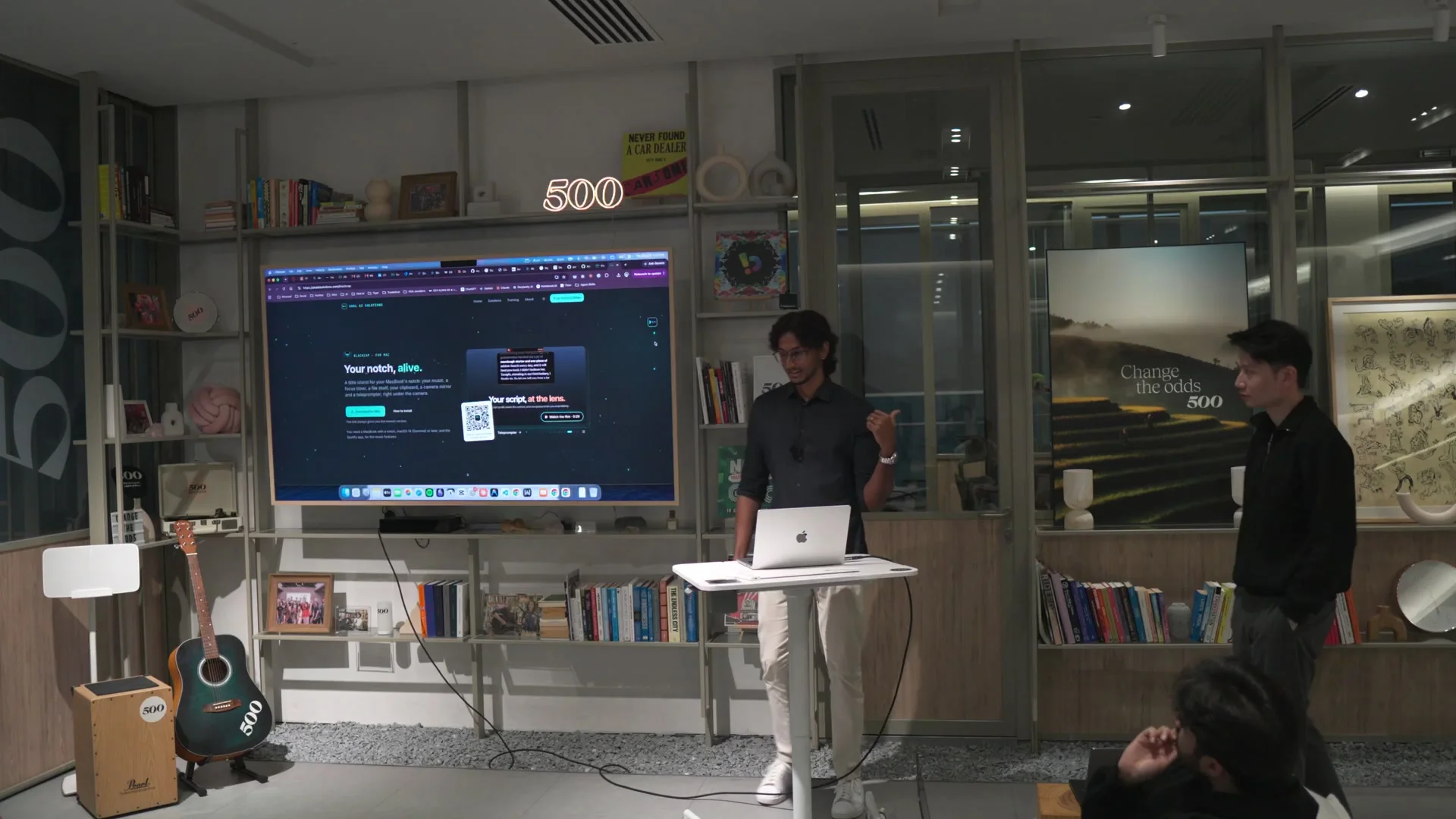
Vimallnath Kathirasan demoed Blackcap, an open-source macOS app built with Claude that turns the MacBook camera notch into a Dynamic Island hub. Features include a cursor-tracking desktop pet named Cliff, beat-reactive music playback with karaoke lyrics, a 12-item clipboard history capturing text and screenshots, a file drop shelf, and a teleprompter hidden from screen recordings. Every feature sits behind modular preference toggles so users can control CPU and battery usage.
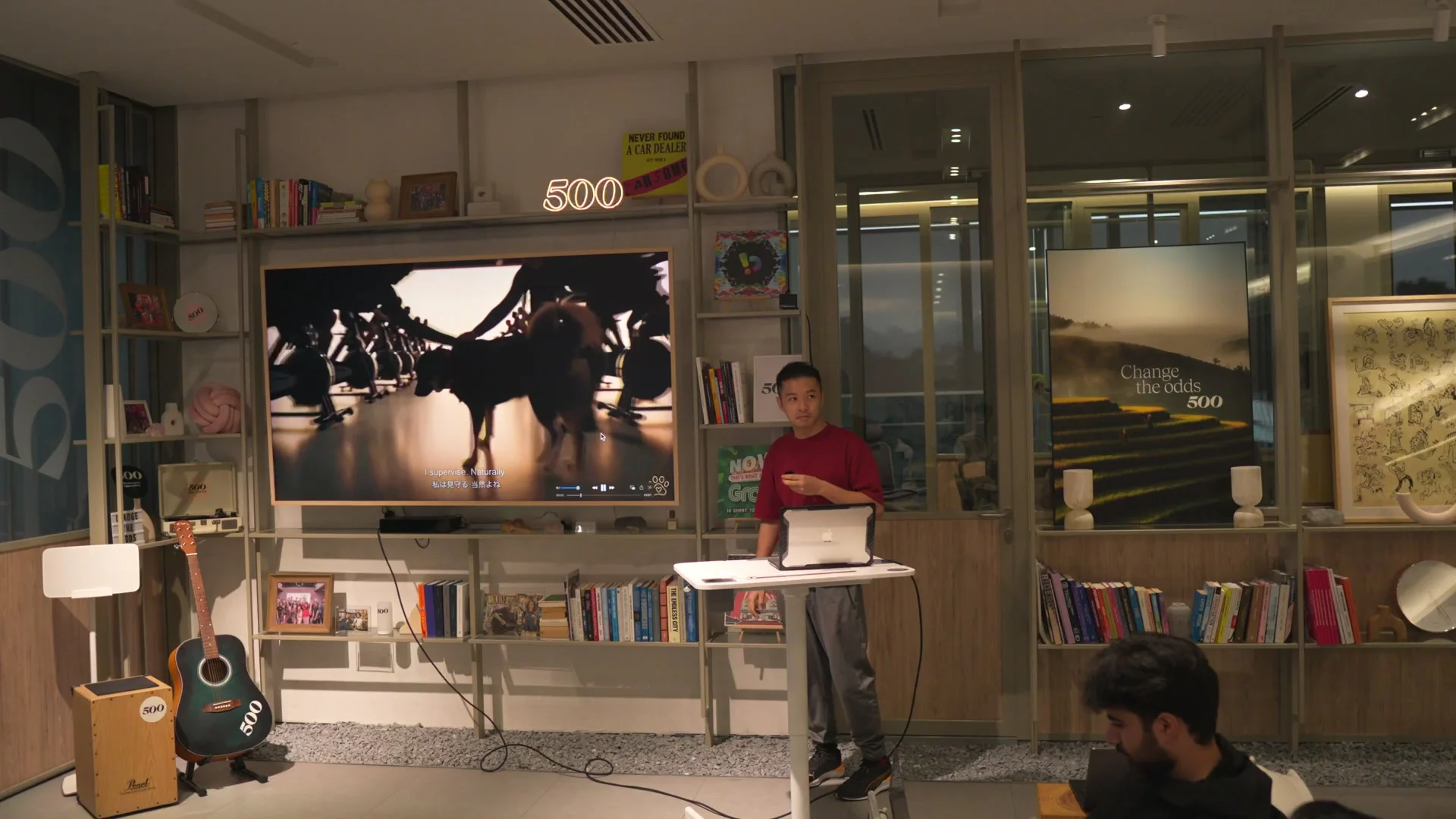
Frankie closed the creative track with a screening of his AI-generated short film ‘Where will you call home?’, featuring a dog named Frankie surveying her territory across city streets, a spin class, and parks with bilingual English and Japanese subtitles. He tested models including Kling 1.5 and Runway Gen-3 Alpha for visual consistency, stressing that storyboarding and narration must come first before touching video generators.
Practical Takeaways for Builders
- Tier your models aggressively: Use lightweight decision models, keyword heuristics, or secondary coding models for filtering and boilerplate, reserving Claude Opus or Sonnet for hard reasoning.
- Do not default to plain vector search: In structured verticals or large personal vaults, combining ontologies, grep, graph links, and rerankers beats raw embeddings.
- Verify deterministically and prune in CI: Arithmetic scratchpads (Brendan) and 100%-accuracy CI pruning loops (Mohtasham) catch silent regressions before users see them.
- Design around real-world constraints: Whether it is Mac mini memory wear, mobile battery and storage limits, or live demo screen-sharing hiccups, local constraints shape what actually holds up in daily use.
Featured speakers & demos
14 builders demoed during this session. Browse full talk notes and Q&A in the Knowledge Base
VaultPass AI: On-Device Document Sorting
Rayhan Rizwan built a privacy-focused mobile document organizer that sorts incoming scans and forwarded files locally using OCR, a trimmed Hugging Face embedding model, and app-layer routing rules.
AIOS: Obsidian Vault and Librarian Skill
Aaron Liew demonstrated AIOS, a local personal context operating system in VS Code and Obsidian that uses a librarian skill to extract PDF text and diagrams into atomic notes and cross-author molecular graphs.
Antigravity Harness Mods and Token Analytics
Andrew modified the Antigravity desktop harness to add GUI Gemini API key support, live tokens-per-second telemetry, and multi-account Google AI Pro failover alongside a centralized token ROI dashboard.
Loom, Sozo, and Solo Multi-Agent Harnesses
Khalil Nooh presented Loom and the Sozo MVP for solo human-agent operations, combining commute voice bots, local Obsidian on Hermes, and Basecamp's free tier as a cloud markdown vault.
Game-Inspired 3D UI Agent Skill
Nathan Hor built game-ui-frontend, an open-source AI agent skill and component library drawing from over 44 video games to generate interactive 3D hardware landing pages and UI components.
Orvaly: Multi-Model Meeting Intelligence Harnesses
Rasan Chandra detailed Orvaly's decoupled LLM harnesses, Astro live task agent, lightweight decision model routing, and multi-pass synthesis pipeline for long meetings.
Mobile-Driven Multi-Model Client Workflows
Faris Irfan demonstrated running full-stack client builds from his phone via screen mirroring into Claude Code, delegating routine work to Codex and Grok while using design and de-slopping prompt skills.
Cleve: Cloud Brain Graph and Hybrid Search
Ashvin Praveen demonstrated Cleve's visual knowledge graph and hybrid retrieval pipeline combining semantic embeddings, grep search, graph traversal, and Cohere reranking across roughly 1,700 cloud notes.
E-Logistics and ULogix Built with Claude Code
Timur Chutbaev applied 20 years of logistics domain experience with Claude Code to build the ULogix freight rate calculator, an internal ops assistant, and an AI-generated explainer video.
Hlab and VideoClaw Context Pruning in CI
Mohtasham Murshid Madani presented Hlab and VideoClaw, a CI evaluation framework that records agent task loops and prunes context and skills while enforcing a strict 100% baseline accuracy floor.
AI Short Film: 'Where will you call home?'
Frankie screened his bilingual AI-generated short film starring Frankie the dog, discussing model consistency trials with Kling 1.5 and Runway Gen-3 Alpha and prioritizing storyboarding before generation.
Construction Cost AI Data Harness
Brendan Beh built a construction cost estimation AI harness using AI Excel cleaning, vertical ontologies, grep retrieval, and deterministic code scratchpad checks for arithmetic reconciliation.
Planergy: Energy-Based Daily Task Planner
Amara demoed Planergy, a daily planner for neurodivergent users that replaces per-task AI calls with keyword heuristics and manual controls while transitioning from web to native mobile.
Blackcap: MacBook Notch Dynamic Island
Vimallnath Kathirasan demonstrated Blackcap, an open-source macOS notch utility built with Claude featuring desktop pet Cliff, karaoke lyrics, clipboard history, and a recording-invisible teleprompter.