
AI Video Pipelines, WhatsApp Agents, and Godot Directors at KL Show & Tell
Recap of our Oct 15 Kuala Lumpur Show & Tell: 12 builders demoing AI video editing pipelines, ad generators, WhatsApp morning briefs, and Godot AI directors.
Twelve builders took the floor at our October 15 Weekly Show & Tell in Kuala Lumpur. While topics ranged from WhatsApp personal assistants to Godot game development, the room converged on a clear theme: practical AI video production. Presenters shared real numbers on render times, API costs, script bottlenecks, and where human control still beats full automation.
Automated Research, Scripting, and Storyboarding
Several teams focused on the upstream work that slows video production down before a single frame is rendered: gathering references, breaking down hooks, and organizing storyboards.
Shahbaaz Siamwala, founder of Leap Commerce, walked through an automated research pipeline built for brands selling on TikTok, Shopee, and Lazada. Instead of manually tagging videos, researchers drop raw TikTok and Instagram links into a Notion database called Ideas & Research Inbox. A daily scheduled job triggers Apify to scrape transcripts and engagement metrics (likes, comments, shares), and Claude enriches each record with cut counts, duration, narrative beats, and frame-by-frame visual hook notes, demonstrated on a clip from @eureka_snack_popcorn. Shahbaaz noted that initial link sourcing remains manual for now because off-the-shelf discovery tools run around $200 per month.
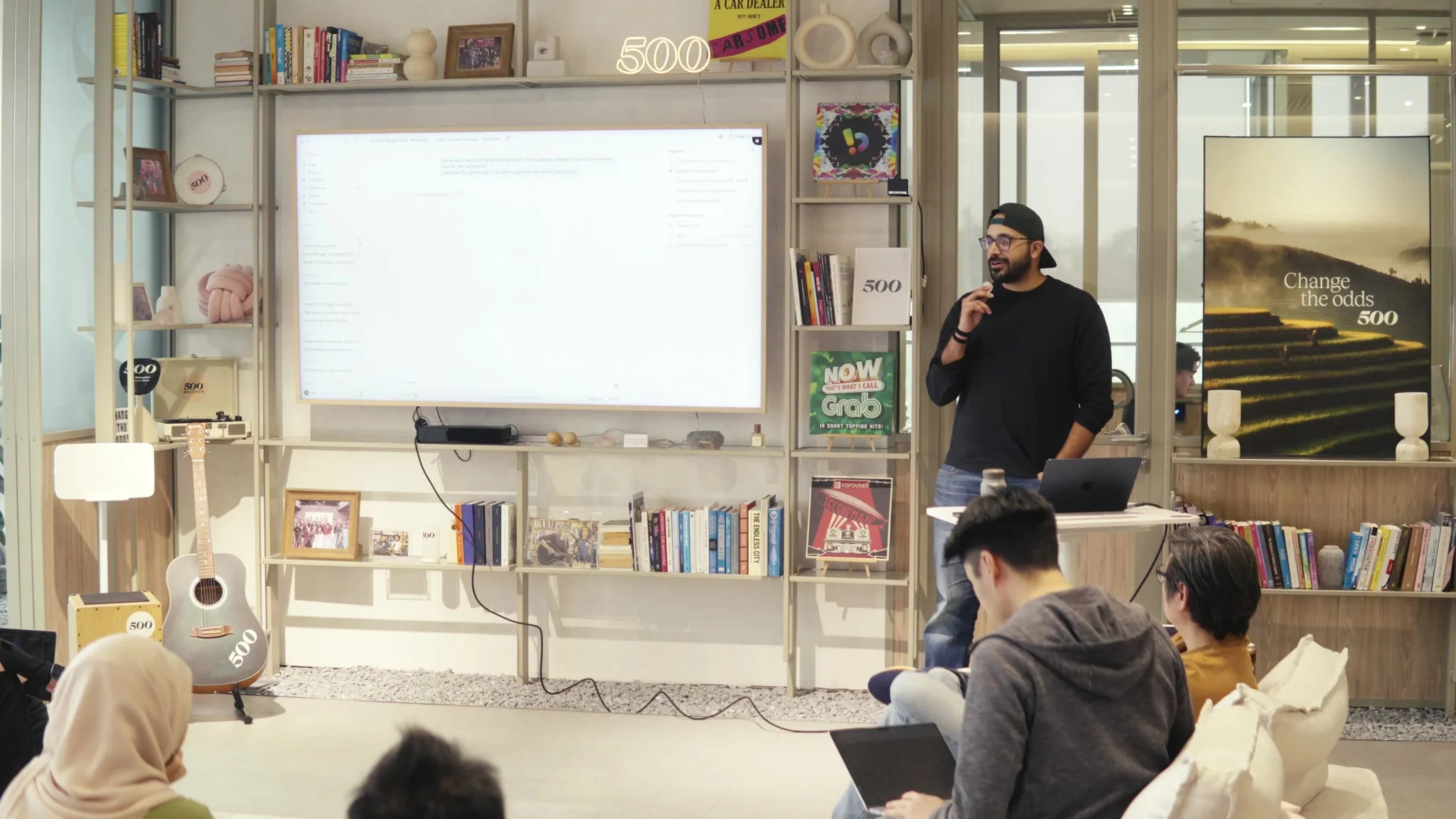
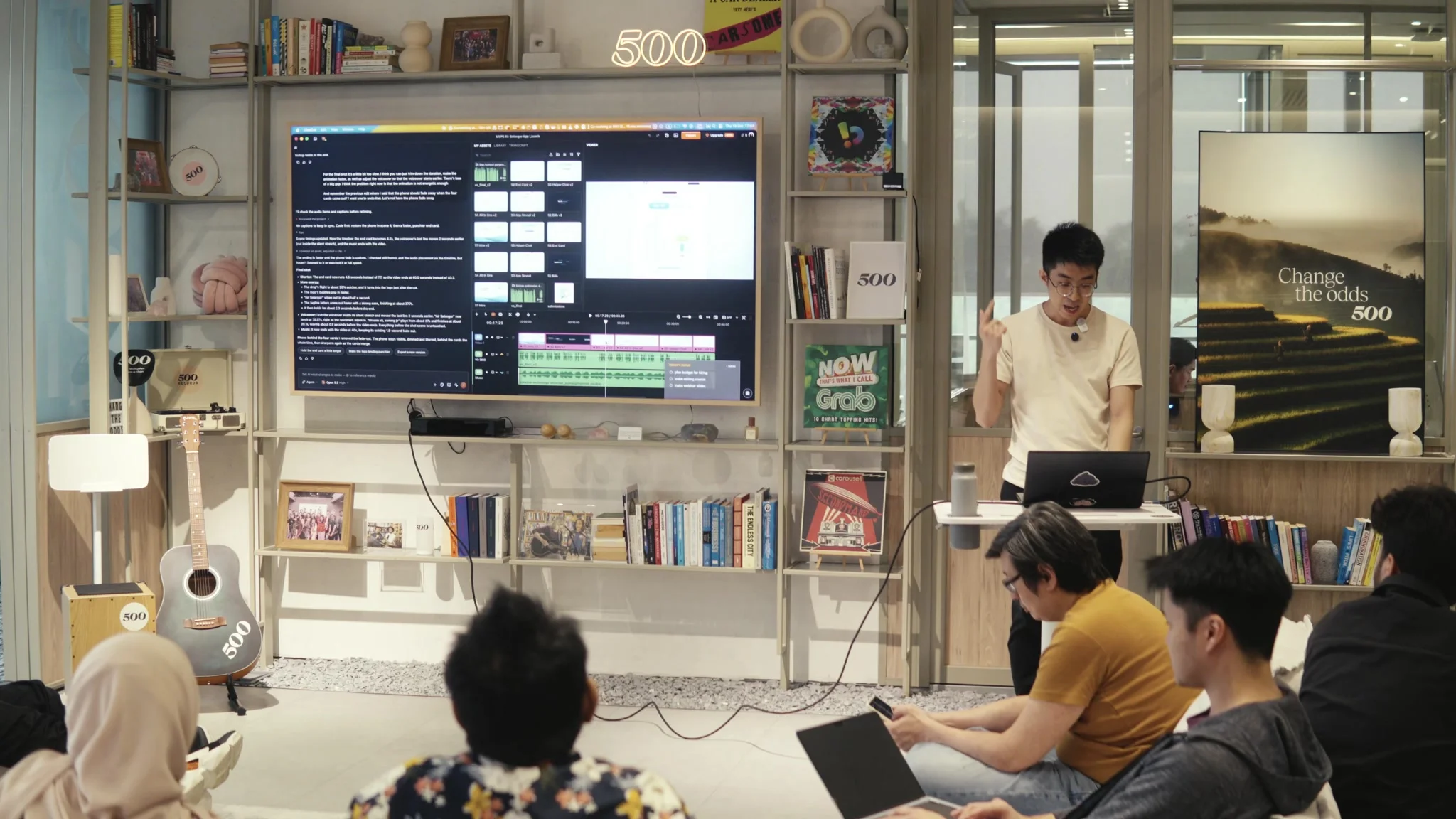
Lizzie Tan tackled the bottleneck that appears after editing is automated. Using Claude Code, she brought her Instagram video editing time down from three to five hours of manual work to roughly one hour of unattended processing, with a generated clip reaching 14,000 views. That shifted the main time sink to scripting, which still took 30 minutes to two hours. To address it, she built two web tools: one that transcribes creator videos (demonstrated on Jun Yuh) and breaks them into reusable narrative beat cards like open loops and surprising proof, and another that combines reference scripts, carousel points, and personal context into an 80 percent draft. Her main takeaway: passing raw transcripts straight to an LLM produces weak rewrites, and multi-source drafts still need a human pass to match your own voice.
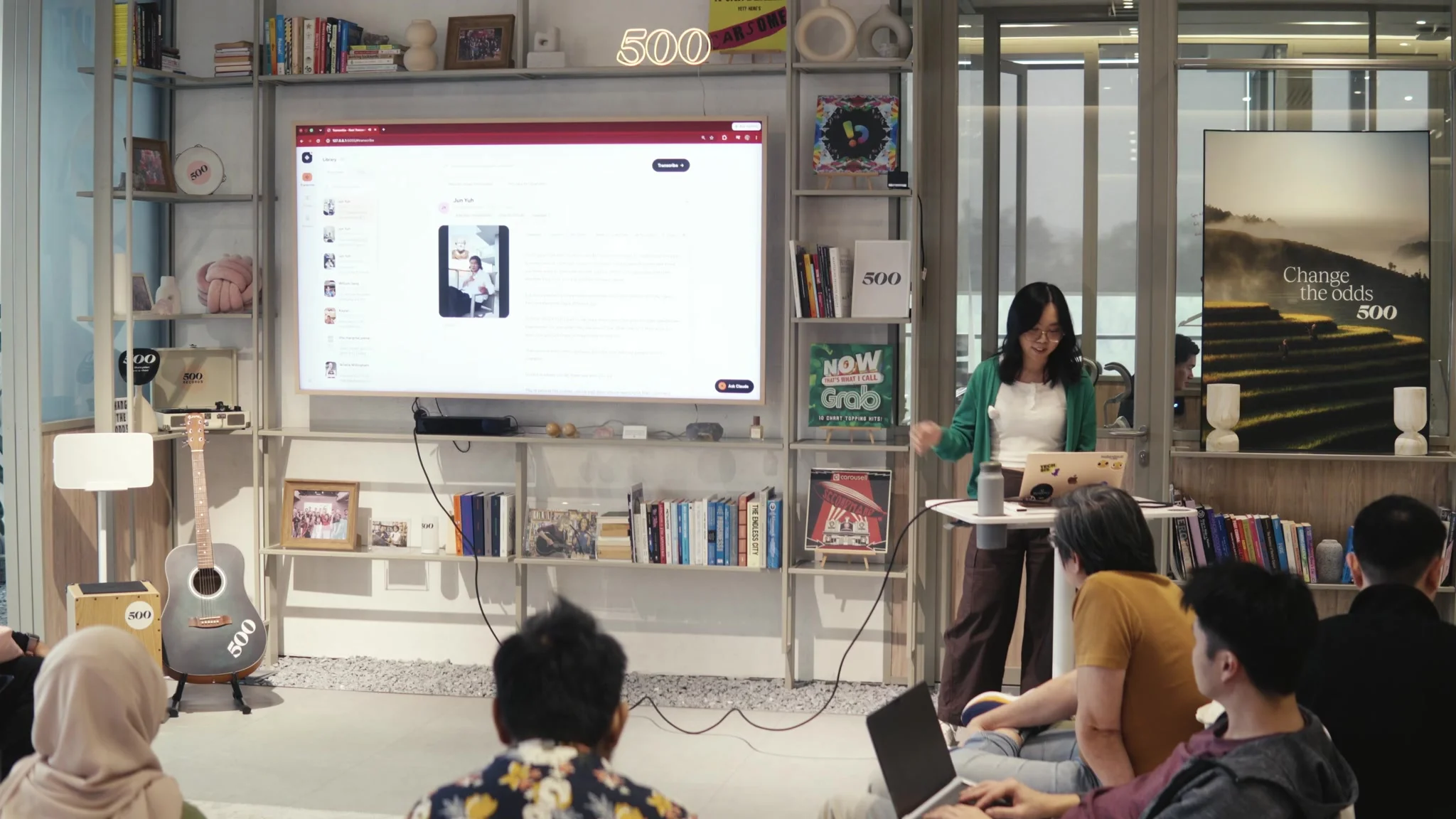
Chloe Sin Yin showed how she produced over 20 short-form videos in two weeks without manual editing using Claude, Hyperframes, and Pexels. By placing raw footage and B-roll in a single local directory and feeding Claude upfront brand guidelines, she gets an initial storyboard and edit about 90 percent complete, leaving minor pacing and music tweaks. To avoid repeated 20 to 40 minute renders, she batches all review notes before triggering a render and previews short Hyperframes animation effects first. She also built a custom Storyboard web app with Claude to visualize scripts alongside reference cards, with a timeline view planned next, and screened a finished YES 5G AI 20 review video.
End-to-End Video Pipelines and Timeline Control
A second group of demos looked at the architecture of video editors themselves, comparing agent-native pipelines against traditional timeline tools.
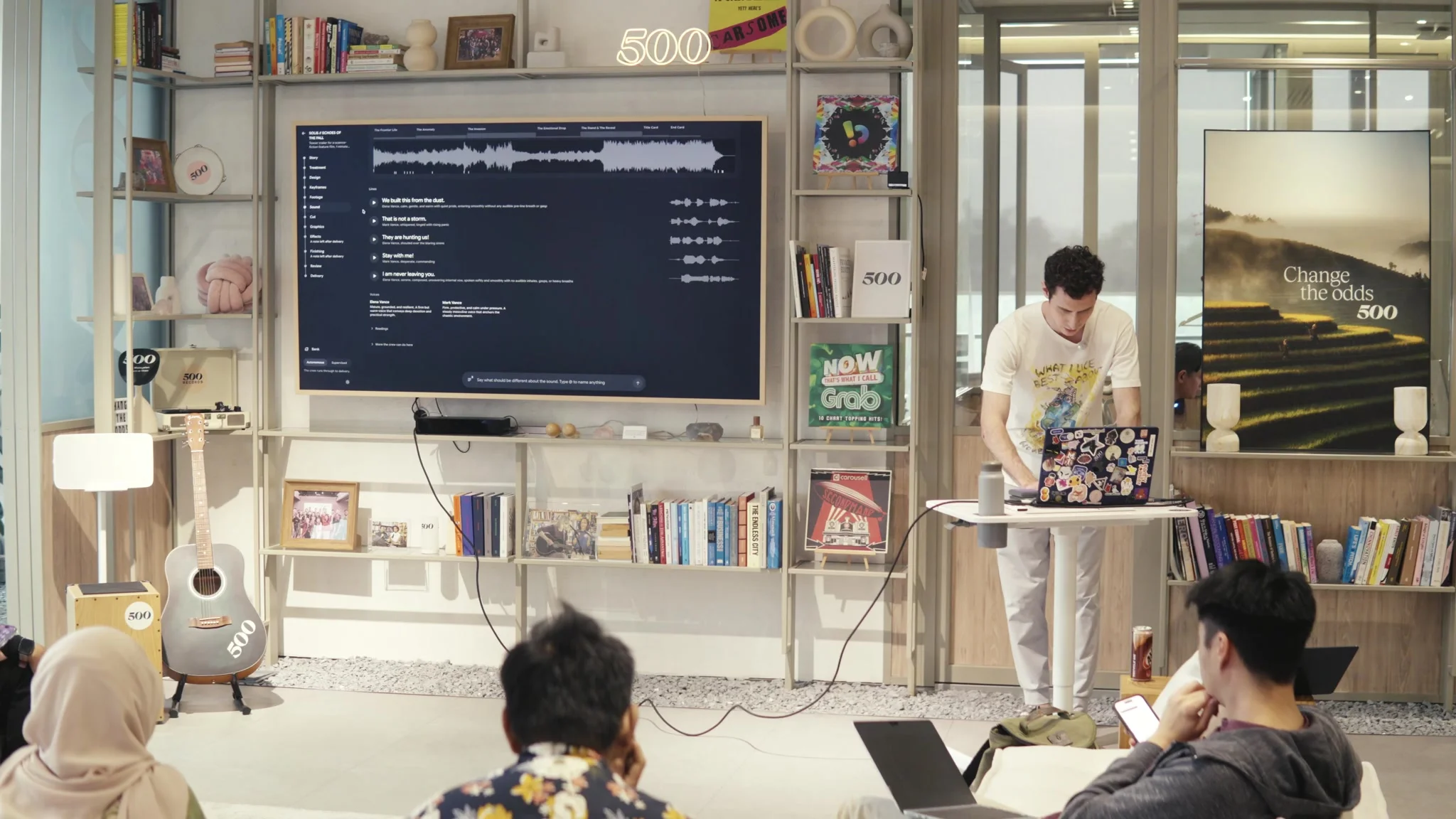
Andrew presented a local, agent-native video production system built from the ground up for AI agents rather than human editing UIs. Starting from a text prompt, the pipeline runs modular stages: story breakdown, visual plotting, character and environment design sheets, keyframing, multi-shot footage generation, multimodal music composition (analyzing both script text and generated frames), narration, timeline cuts, motion graphics, custom sound design, and automated color grading with self-review. The web dashboard is strictly read-only for monitoring, with all edits requested conversationally. Andrew observed that while generated video still shows AI artifacts, the sound design output is much stronger. He also demoed an automated speaker reel generator that takes a one-hour Show & Tell recording and cuts vertical highlight reels per presenter.
Thomas Au brought over eight years of professional editing experience to the opposite side of the tradeoff: why pure code-generated video is hard to fine-tune. While AI tools can assemble a full draft, they struggle with the rhythm and micro-timing of human editing. Thomas demonstrated a bridge connecting Claude Code and Remotion into CapCut and Adobe After Effects so editors keep a multi-track timeline and native keyframes without re-rendering whole sequences from scratch. He also demoed a web-based easing curve tool that visualizes motion presets like bounces, fast cuts, and swooshes along a time axis and converts them into copyable prompts for ChatGPT and ChatCut.
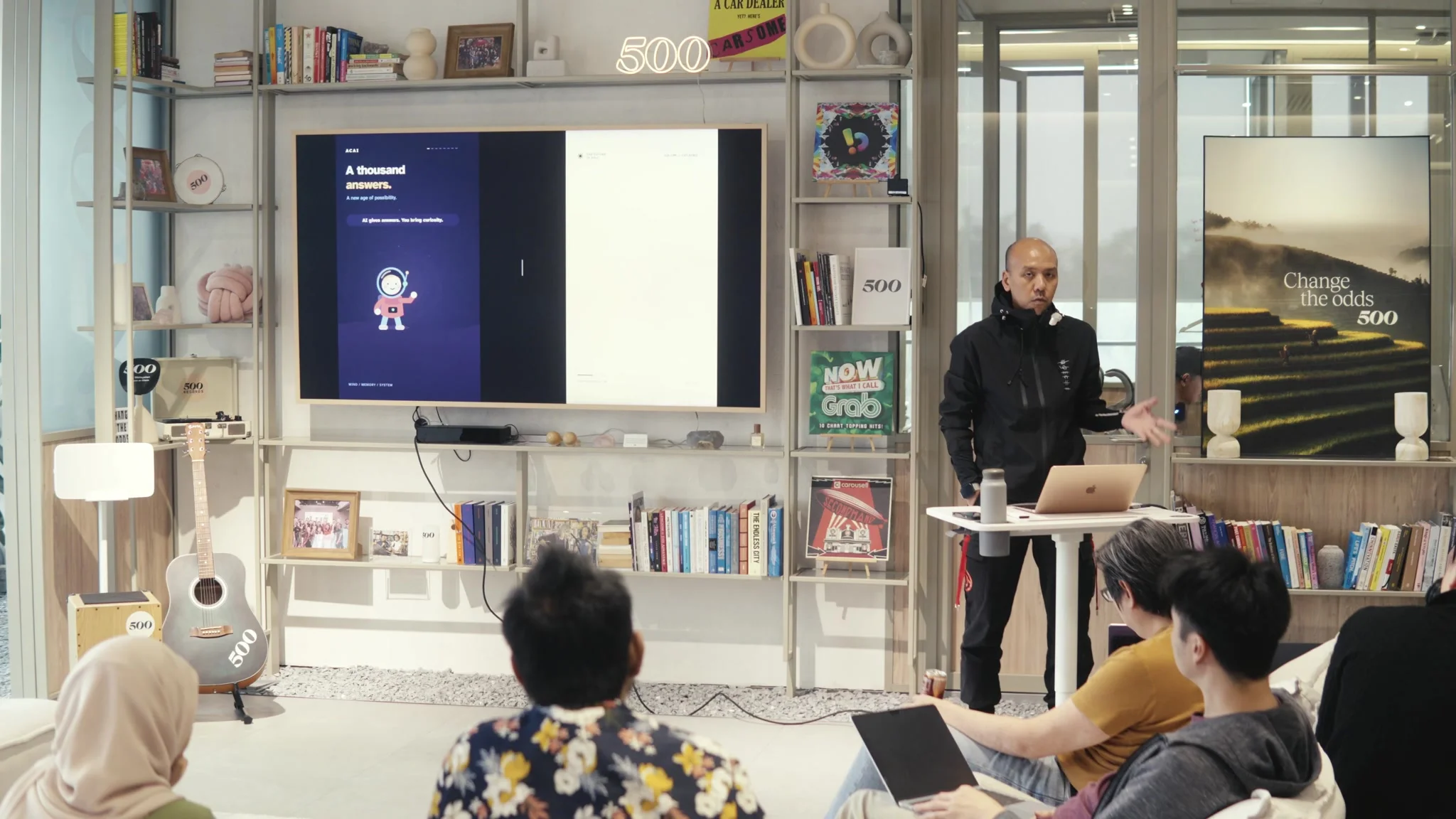
Khalil Nooh shared how he builds animated video drafts and UI motion components under strict budget and schedule constraints. Working within an existing $100 ChatGPT and Codex allocation rather than adding new subscriptions, he queries his personal knowledge vault to draft Kurzgesagt-style scripts for an upcoming book and renders draft animated clips with Codex, weighing Remotion against Hyperframe with input from peers. For interactive assessment cards (300-CORE Assessment), he generates HTML motion layouts on Claude’s free tier and refines them in Codex. To break out of repetitive default color palettes, he directs the coding agent to pick palettes from Sanzo Wada’s Dictionary of Color Combinations. He also noted calling voice agents like Grokbot during one-hour traffic commutes to keep ideation moving.
Motion Transfer, Ad Replication, and Content Repurposing
Commercial ad generation and motion transfer drew sharp questions on unit economics and control.
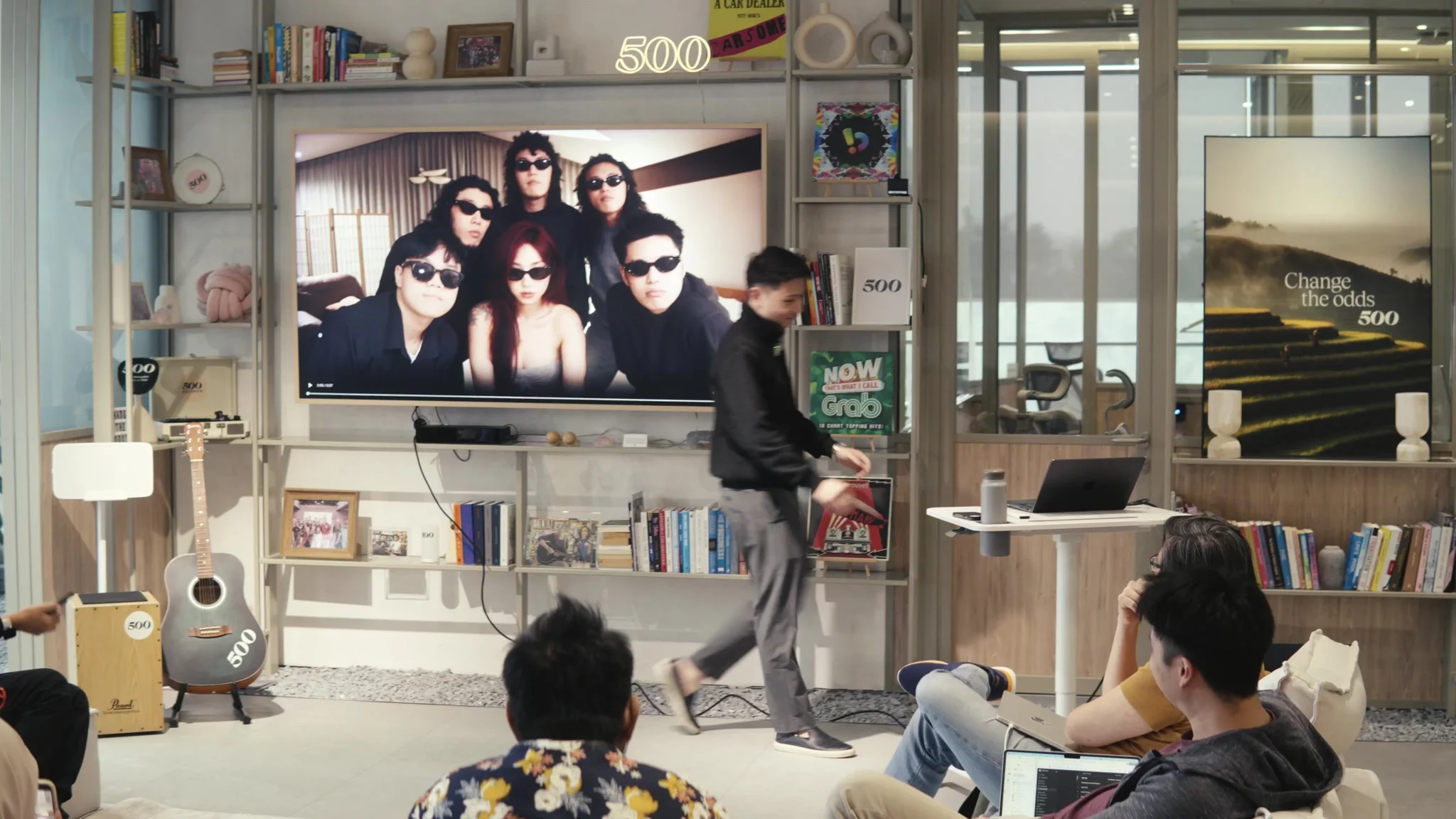
Ken Ooi demonstrated AI motion transfer and face replacement using Power Studio’s node-and-wire canvas for A47 alongside Higgsfield’s GenJetsu model. Wiring character photos and 10-second cropped video clips into a visual graph, he swapped workspace attendees into a music video parody while keeping sunglasses intact. Ken highlighted why node canvases beat chat interfaces for media: you can see exactly which image context feeds each node. He also flagged clear limits: backgrounds frequently render inaccurately, spatial region annotation is not yet native to video models the way it is in some image models, the demonstrated run cost $33, and face-upload tools need strict consent safeguards. He closed by introducing Humio’s VideoClaw B2B ad agent.
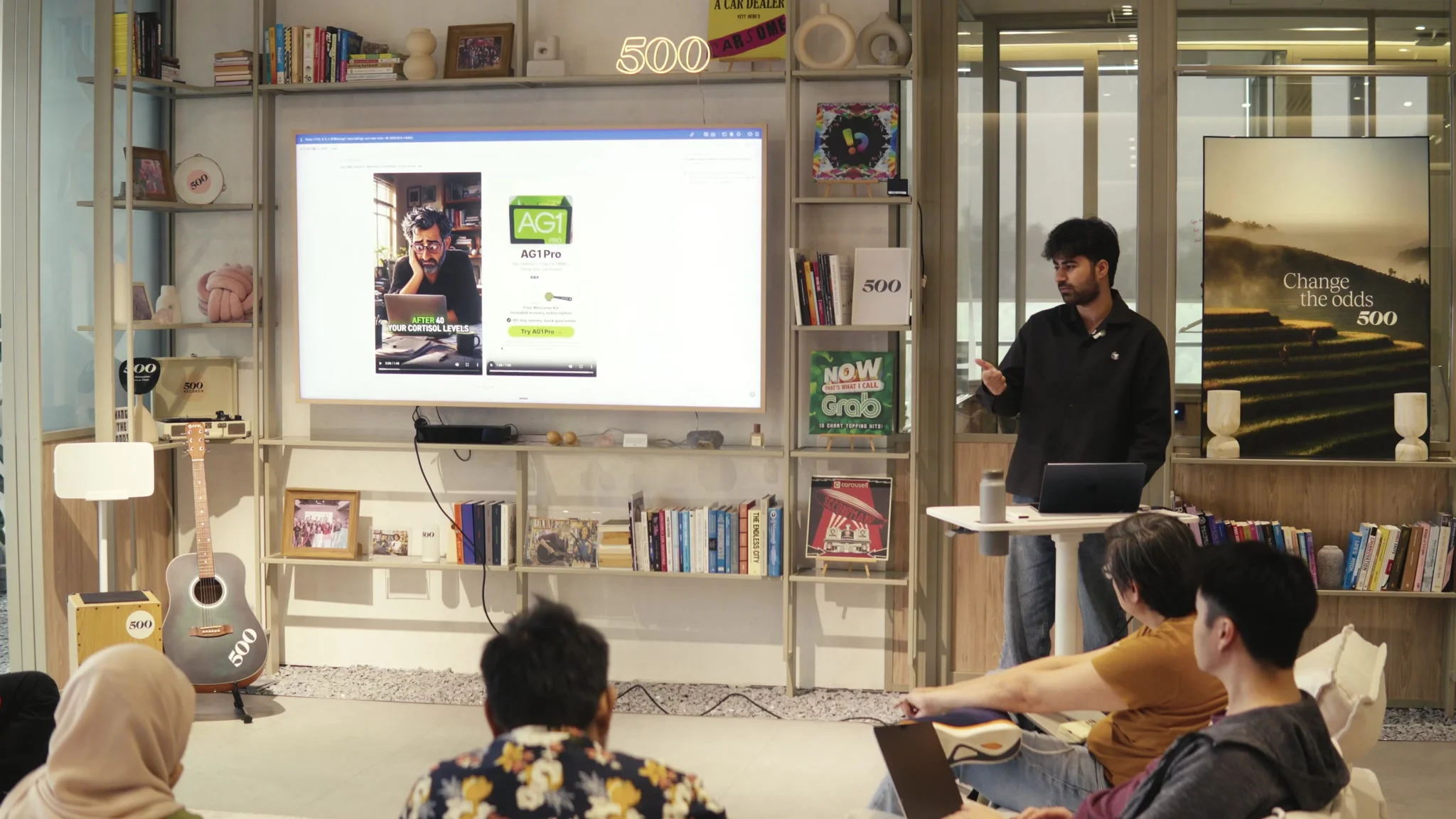
Mohtasham Murshid Madani followed with a deeper look at VideoClaw, an application wrapper over an internal harness that connects dynamically to models on Fal AI. Given a product URL and product images, VideoClaw generates complete competitor-style ads and UGC in a single shot rather than stitching outputs across separate tools. Mohtasham played pre-rendered samples including a Duolingo-style English tutoring ad for Kelas Sekejap and health supplement creatives targeting AG1 Pro and IM8 Health audiences. Checking his console during Q&A, he cited real run costs of $20 for a glass product ad and $30 for a supplement ad, averaging $20 to $30 for videos over one minute long.
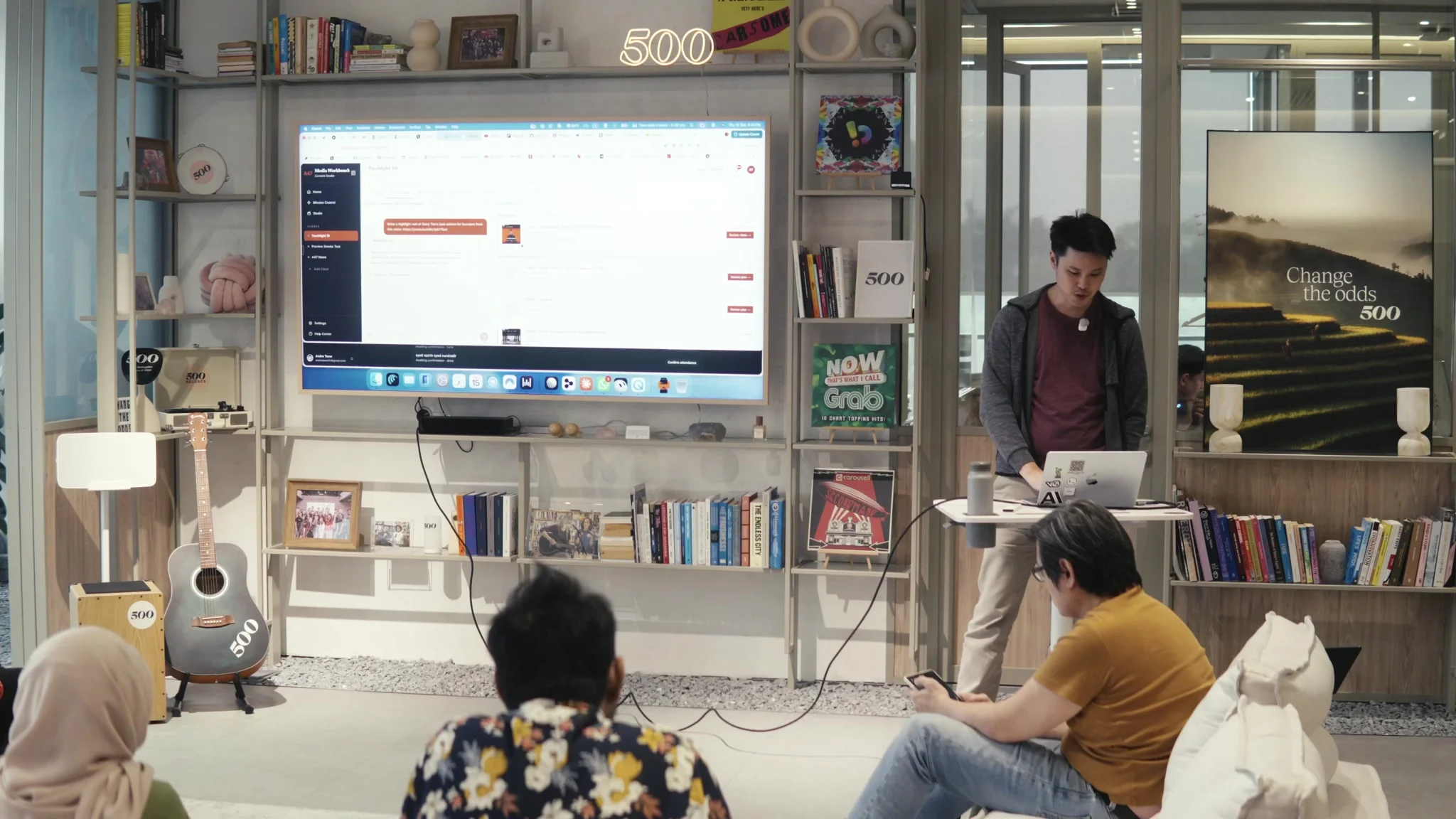
Andre Teow demonstrated Summon Creators and automated video repurposing on the A47 platform, turning a two-hour Garry Tan video into a 30-second highlight clip and generating affiliate creator videos for fashion boutiques. His stack combines Claude Opus 5.5 for problem-first storyboarding, Hyperframes for stitched video generation, Lyria for background soundtracks (about seven cents per track), and the open-source slash smooth motion repository on GitHub. Andre emphasized finalizing keyframes and storyboards before running costly generation jobs and noted that passing a raw webpage URL without curation produces poor results. Live playback also surfaced a practical demo lesson: heavy desktop apps like Claude can consume enough RAM to freeze external display mirroring, and QuickTime audio routing needs pre-testing.
Chat Agents, Podcast Prep, and In-Engine Game Directors
Rounding out the night were three workflows applying AI to daily messaging, podcast prep, and game engines.
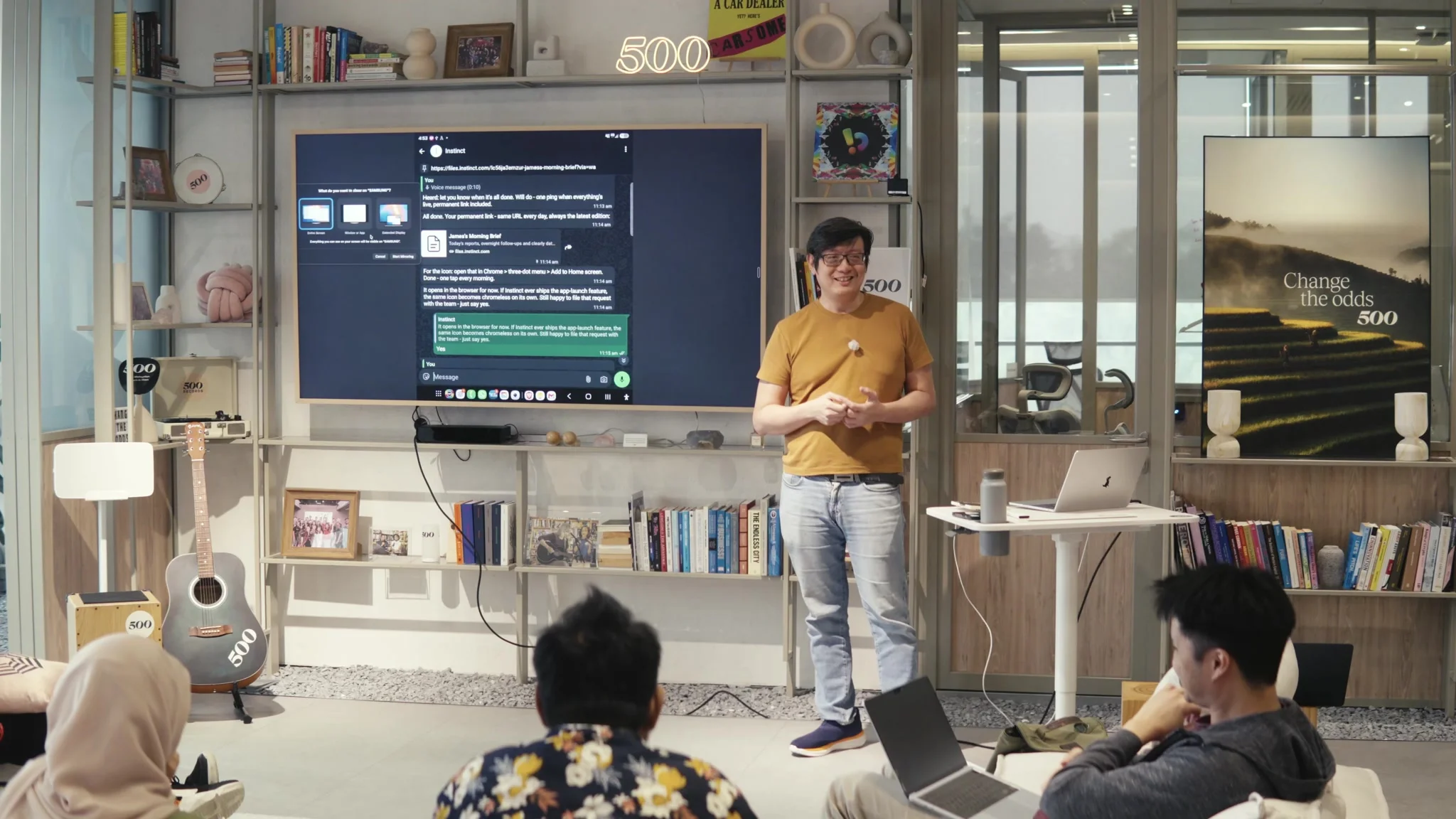
James Yeang demonstrated an automated morning brief and personal assistant built on the Instinct platform inside WhatsApp. Connected to Google Calendar and email, the agent compiles daily schedules, priority tasks, and curated news digests under James’s Morning Brief, complete with generated infographics (shown with an Android anti-scam story). Explicit like and dislike buttons train the curation over time, and users can ask follow-up questions about articles directly in chat. James pointed out that WhatsApp offers the lowest friction for non-technical users like parents or spouses, who rarely build custom workflows but gladly forward dense messages for quick summaries or ask about their schedule in chat.
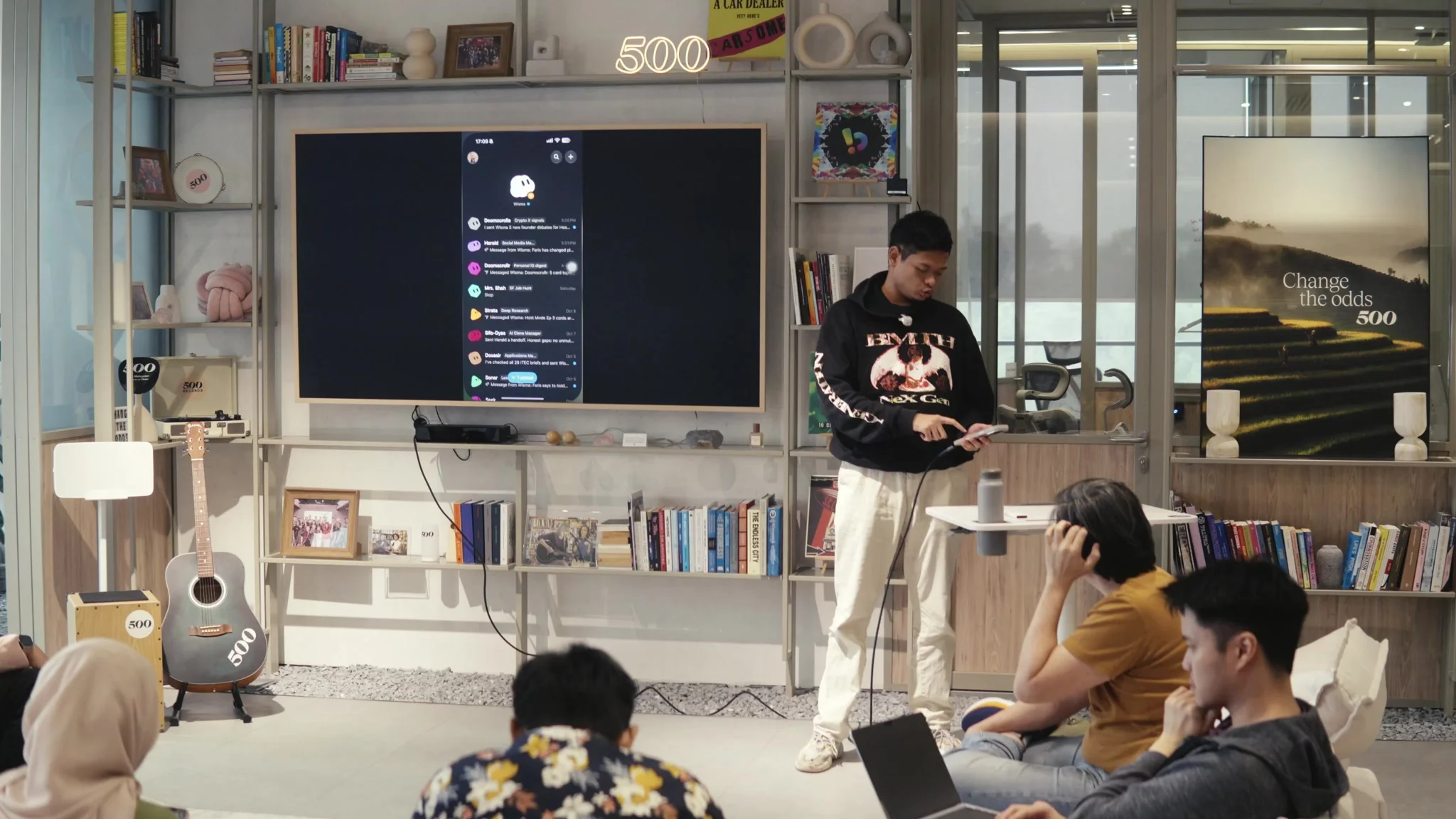
Faris Irfan presented Host Mode, a multi-agent podcast preparation pipeline built for himself and co-host Hamza. Two Doom Scroller bots pull tech, startup, and AI updates from X and Instagram, relying on Faris’s own interested and not interested feed signals as an ingestion filter. Topics are passed to Herald to outline episode flow and to Wisma to render a mobile web view with two to three concise talking points per topic instead of a rigid script. The pipeline also uses Grokbot to produce short video clips with headlines and music, though Faris noted early Instagram trial reels had modest reach and the auto-generated background music was too dull for episode two.
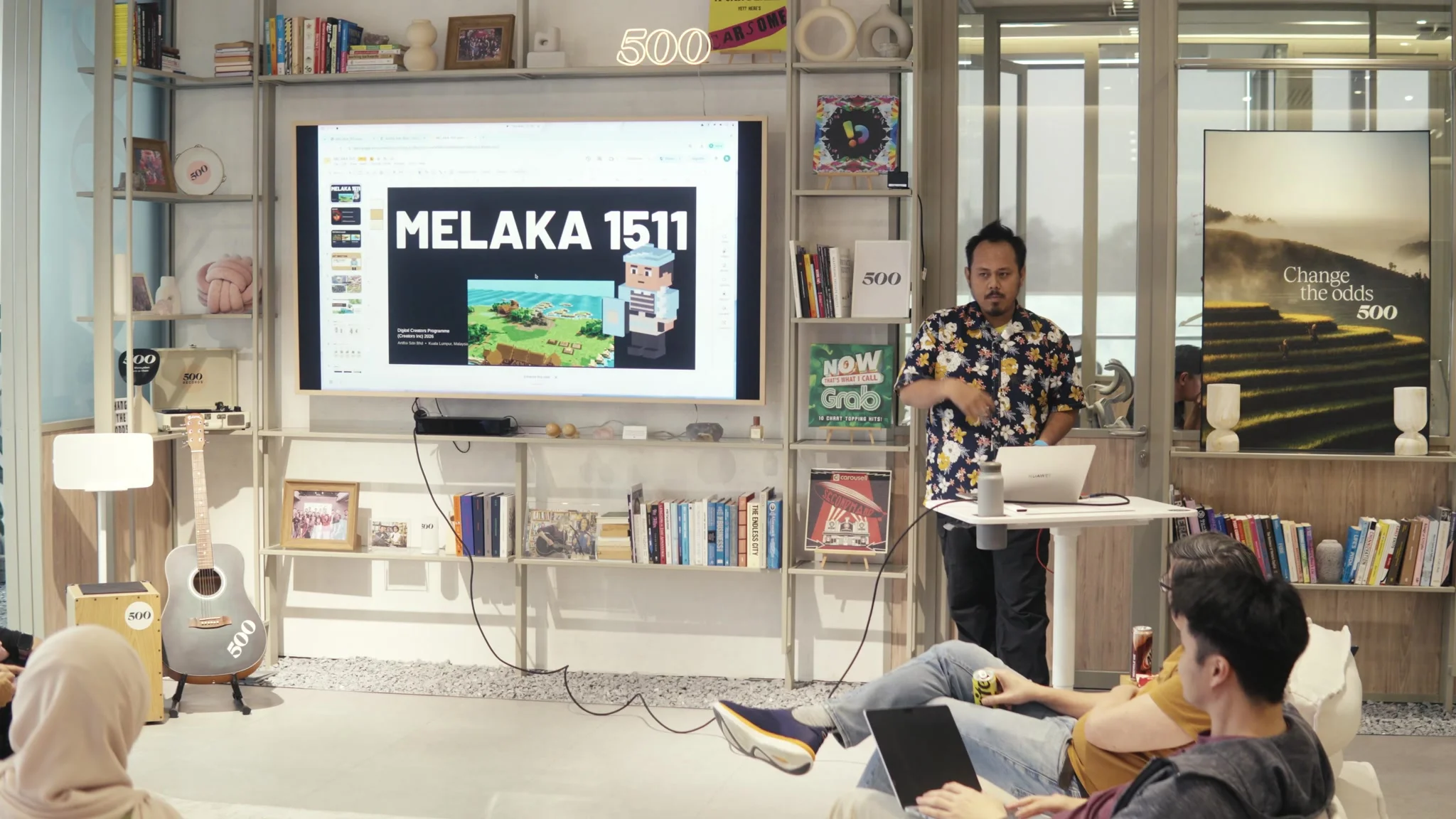
Raja Hafify Bin Zaed closed the technical demos with two Godot engine projects. For MELAKA 1511, developed with Artifisi Sdn Bhd under the Digital Creators Programme, off-the-shelf generative video tools hallucinated heavily when trying to render their proprietary 3D voxel assets. Instead, the team used Claude as an in-engine Godot director: from a short plot outline, Claude scripts character paths, camera sweeps, lighting, and day-night transitions on their 20 percent complete build, capturing stills and captions for pitch trailers without hiring external animators. He also showed Dunia, a Godot and Hugging Face Space setup that records player telemetry alongside synchronized RGB frames, depth maps, and semantic segmentation for training multimodal AI models.
Practical Takeaways from the Room
Across twelve very different setups, a few patterns stood out for anyone building with AI right now:
- Plan before you render: Whether paying $20 to $33 per video run or waiting 40 minutes for a local render, locking down brand guidelines, narrative beats, and storyboards upfront saves both time and compute.
- Keep an escape hatch to editable tools: Pure prompt iteration hits a wall on fine pacing and voice. Exposing keyframes in CapCut or After Effects, or treating LLM scripts as an 80 percent draft, keeps quality high.
- Use existing engines when assets already exist: For 3D worlds like MELAKA 1511, letting an LLM direct Godot beats text-to-video generation on consistency and cost.
- Meet users where they already are: Delivering morning briefs and summaries inside WhatsApp removes the onboarding barrier for non-technical users.
Want to demo what you are building or sit in for the next round? Join us at the Weekly Show & Tell @TheMalaysian.ai Residency on Thu, 26 Nov 2026, 12:00 pm MYT in Kuala Lumpur, Malaysia. RSVP on Luma.
Featured speakers & demos
12 builders demoed during this session. Browse full talk notes and Q&A in the Knowledge Base
Automated E-Commerce Video Research and Hook Analysis
Shahbaaz demonstrated a Notion, Apify, and Claude pipeline for Leap Commerce that scrapes TikTok metrics, transcribes dialogue, and runs frame-by-frame hook breakdowns.
Book Video Automation and Motion Design on a Budget
Khalil demonstrated an animated book video pipeline built with ChatGPT and Codex under subscription limits, plus a Claude free-tier UI motion workflow using Sanzo Wada's color catalog.
Instinct WhatsApp Morning Brief and AI Assistant
James demoed an Instinct agent inside WhatsApp that compiles calendar schedules, email tasks, and news infographics while learning preferences through like and dislike feedback.
Power Studio Motion Transfer and VideoClaw B2B Ads
Ken demonstrated node-based face replacement and motion transfer in Power Studio using Higgsfield's GenJetsu model, covering run costs, background limits, and consent safeguards.
VideoClaw Single-Shot Competitor Ad Replication
Mohtasham presented VideoClaw, a Fal AI video harness that turns product URLs and images into single-shot competitor-style ads averaging $20 to $30 per minute-plus video.
Host Mode Multi-Agent Podcast Prep Pipeline
Faris showed Host Mode, connecting Doom Scroller bots on X and Instagram to Herald and Wisma agents for talking-point podcast prep and Grokbot video clips.
Automated Social Video Editing and Script Beat Tools
Lizzie shared how Claude Code cut her video editing to one unattended hour, and demoed custom web apps that break viral transcripts into narrative beats and draft new scripts.
Agent-Native Video Production and Speaker Reel Generator
Andrew demoed a local multi-stage video production system built for AI agents from story to color grade, plus a pipeline cutting one-hour event footage into speaker reels.
AI-Directed Godot Trailers and Synthetic Gameplay Data
Raja Hafify showed Claude acting as an in-engine Godot director for MELAKA 1511 voxel trailers, plus Dunia for capturing synchronized RGB, depth, and segmentation gameplay datasets.
Claude, Hyperframes, and Custom Storyboard Video Pipeline
Chloe demonstrated a Claude, Hyperframes, and Pexels workflow that shipped over 20 videos in two weeks using upfront brand guidelines and a custom Claude-built storyboard app.
Summon Creators Video Repurposing and Storyboarding
Andre demonstrated A47 highlight clipping and Summon Creators video generation pairing Claude Opus 5.5 storyboards, Hyperframes stitching, and seven-cent Lyria soundtracks.
Bridging AI Video Code with Timeline Editors and Easing Curves
Thomas bridged Claude Code and Remotion into CapCut and After Effects to preserve editable timelines and keyframes, plus an easing curve tool that exports animation prompts.